



2026-06-24
There are 5 factors that affect the performance of dual detector, and many production lines fall into the second category
Dual detectorChoosing the right model doesn't mean everything is fine. The performance of the same device on different production lines can vary greatly - some have been running steadily with zero false alarms for over half a year, while others have been reporting errors every few days. Operators secretly lower the sensitivity to fix the issue.
The difference is not in the equipment itself, but in the working conditions. The performance of a dual detector is affected by five factors: material properties, installation conditions, electromagnetic environment, parameter calibration, and probe maintenance. Separate them one by one.
1、 Material properties: Steel and aluminum are not the same world
The dual detector based on the principle of magnetic induction and eddy current composite uses two detection logics for magnetic and non-magnetic materials. Magnetic materials (cold-rolled steel, galvanized sheet) rely on electromagnetic induction to detect the difference in magnetic flux, while non-magnetic materials (aluminum, copper, stainless steel) rely on eddy current to detect the difference in eddy current loss. Under two different logics, the amplitude and signal-to-noise ratio of the signal are completely different.
The actual impact has two levels:
Thickness range. The detection range of magnetic materials is generally 0.2-4.0mm, while non-magnetic materials can reach 0.1-8.0mm. However, this range is the upper limit of the host's capability, and not every probe has the same accuracy at every thickness. The signal margin of ultra-thin materials (aluminum plates below 0.3mm) and extremely thick materials (steel plates above 3mm) is the narrowest, making them high-risk areas for false alarms and missed detections.
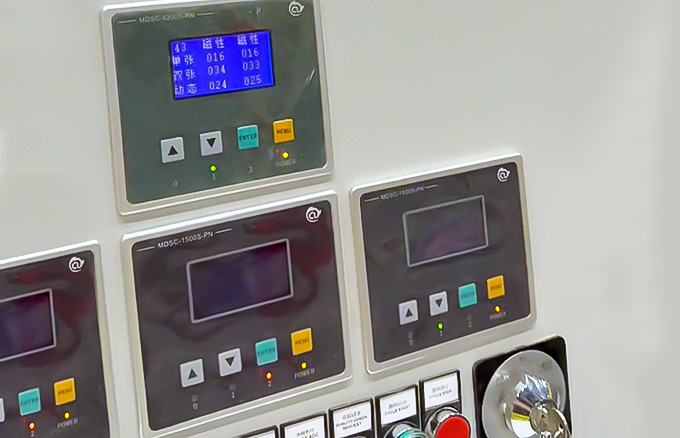
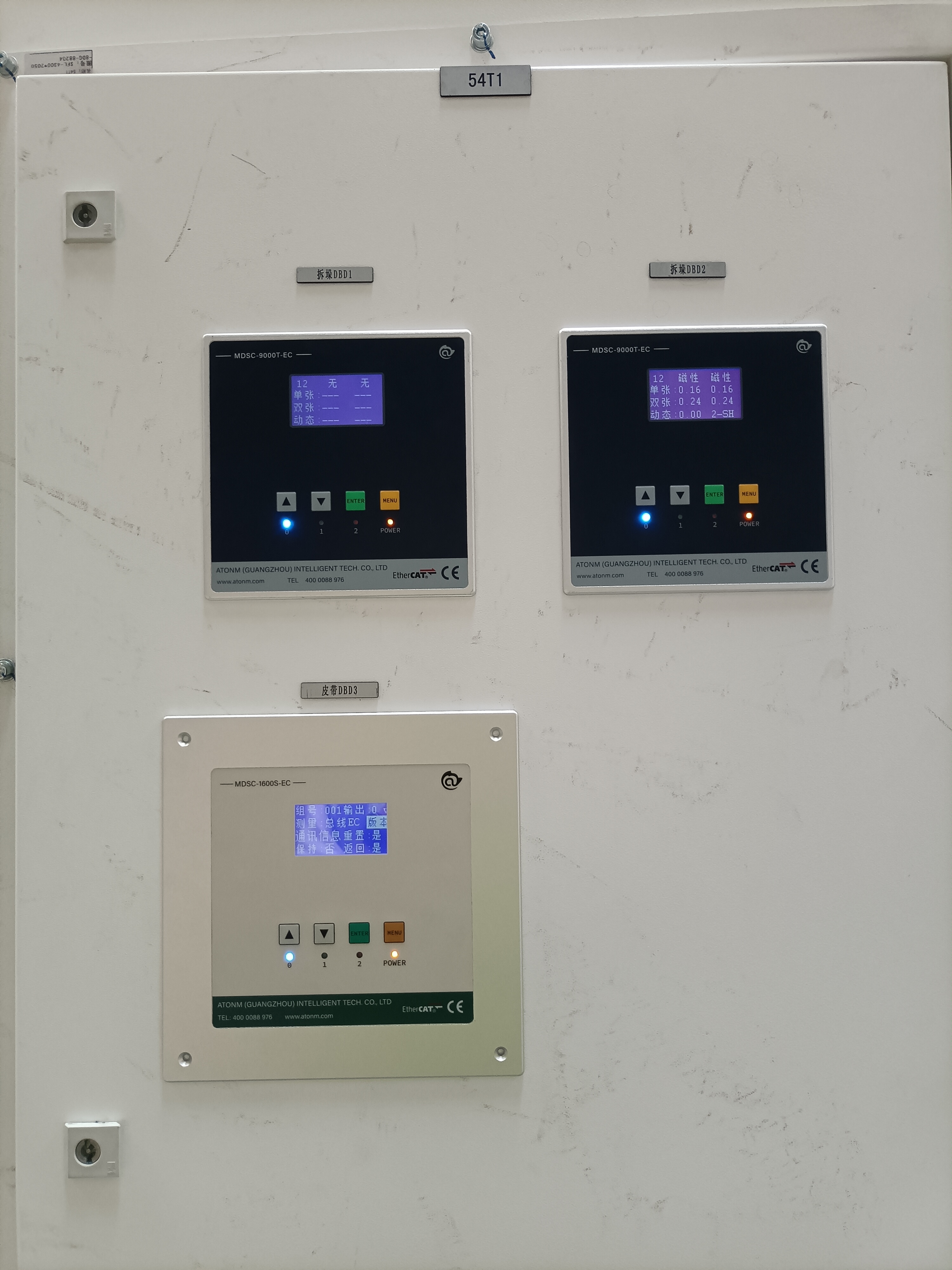
Material switching. On the steel aluminum mixed production line, if the detector does not have full compatibility, it is necessary to replace the probe or even the equipment when changing the material. For example, fully compatible models (such as9000T series dual detector)Both magnetic and non-magnetic materials can be tested, which is not just a bonus in the steel aluminum mixed wire scene, but a must-have.
2、 Installation conditions: If it deviates by one or two millimeters, the signal will be slightly different
The relative position between the probe and the wafer directly determines the strength and stability of the detection signal. The probe of the contact detector should be attached to the surface of the material, and the probe of the pass through detector should be aimed at within a spacing of 30-50mm.
Common installation issues:
The center of the probe is not aligned with the material detection area, causing signal attenuation after deviation
The loosening of the bracket causes the probe position to drift with vibration, resulting in a decrease in detection consistency
After changing the wire and type, the probe position changed accordingly, but it was not rechecked

3、 Electromagnetic environment: invisible interference sources in the workshop
The stamping workshop is a high-risk area for electromagnetic interference. Frequency converters, servo motors, welding machines, and magnetic separators all radiate electromagnetic noise outward. If the detector probe is too close to these interference sources (generally recommended to be more than 3 meters), the signal will be contaminated, manifested as increased false alarms or detection delays.
Temperature can also indirectly affect. Continuous operation leads to an increase in probe temperature, causing slight drift in internal component parameters. If the detector does not have temperature compensation or dynamic baseline calibration, the signal will slowly shift. The parameters adjusted in winter may need to be fine tuned once in summer.
Wiring is also crucial. If the sensor signal line is wired in parallel with the power line, electromagnetic coupling will cause noise to accumulate on the signal line. Separating shielded wires, signal wires, and power wires into separate cable trays is a basic anti-interference method.
4、 Parameter calibration: If the teaching board and the incoming materials are not from the same batch, the parameters will not match
Parameter calibration isDual detectorThe most easily perfunctory part of use. The boards used during the demonstration were from batch A, while the actual incoming materials were from batch B. There were slight differences in surface condition, magnetic properties, and thickness tolerances, and the parameters were already misaligned with the actual working conditions.
Several common calibration pits:
Sensitivity is one size fits all, without distinguishing the difference between thin and thick materials
• Changed material batch or supplier did not re teach
The multi formula function is very valuable here. 999 sets of formulas correspond to different materials and thicknesses of sheet metal, just cut the formula number when changing the line. But if the same set of parameters is used for all the sheets to save time, it will be difficult to avoid false alarms and missed detections.
5、 Probe maintenance: Iron filings and oil stains are silent killers
The cleanliness of the probe surface directly affects the detection signal. The stamping workshop has a large amount of oil mist, and the surface of the probe is prone to oil stains and metal debris. Oil pollution can weaken signal strength, and iron filings are more troublesome - iron filings themselves are magnetic substances, and adhering to the surface of the probe is equivalent to changing the magnetic field distribution of the probe, directly distorting the signal.
Long term use of contact probes still leads to wear and tear issues. The contact state between the probe end face and the wafer changes after wear, and the signal will also change accordingly. Regularly cleaning the surface of the probe, checking the degree of wear, and replacing the probe if necessary are much more effective than repeatedly adjusting parameters.
Among the five factors, material characteristics and installation conditions are innate conditions - if the selection and installation stages are not done well, any subsequent adjustments will be patched. Electromagnetic environment and parameter calibration are dynamic factors that vary with working conditions and require regular inspections and adjustments. Probe maintenance is a long-term work, not doing it will not immediately cause problems, but when accumulated to a certain extent, it will lead to a surge in false alarms.
Breaking down the 5 types of factors, most of the double detection problems can be traced back to their root causes, eliminating the need to constantly call suppliers to the site.
You May Be Interested
-
Atorm has been awarded ISO three system certification, safeguarding quality and sustainable development with international standards
2026-10-12
-
Atonm MDSC-9000T Dual-Channel, Single-Sensor Metal Double-Sheet Detector
2025-12-05
-
Non-Contact “One-to-Four” Double-Sheet Detector 1600S: A New Cost-Reduction and Efficiency Solution for Stamping Lines
2025-11-20
-
Provincial Auto Industry Research Tour | Atonm Engages with the Automotive Supply Chain, Empowering Smart Manufacturing through Sensors
2025-10-11