



2026-06-25
Why do most robotic arm pickups now have single probe detectors instead of dual detectors?
In stamping automation production lines, sheet metal robotic arms, lithium-ion battery stacks, and other working conditions, dual sheet inspection is a key process to avoid mold collision, reduce scrap, and minimize equipment loss. But many factories encounter the same practical problem when renovating equipment or selecting new machines:The mechanical arm end effector has a compact space and complex motion trajectory, and traditional dual probe equipment cannot be installed or used smoothly.
Many on-site engineers have had similar experiences: after finally installing and debugging the dual probe detector, the mechanical arm frequently experiences scratches and interference during high-speed operation, which not only limits the equipment's operating rhythm but also seriously affects the stability of the end effector structure. Either reduce production speed and sacrifice production capacity to adapt to testing equipment, or frequently adjust installation positions, which consumes a lot of debugging time and later maintenance is also very troublesome.
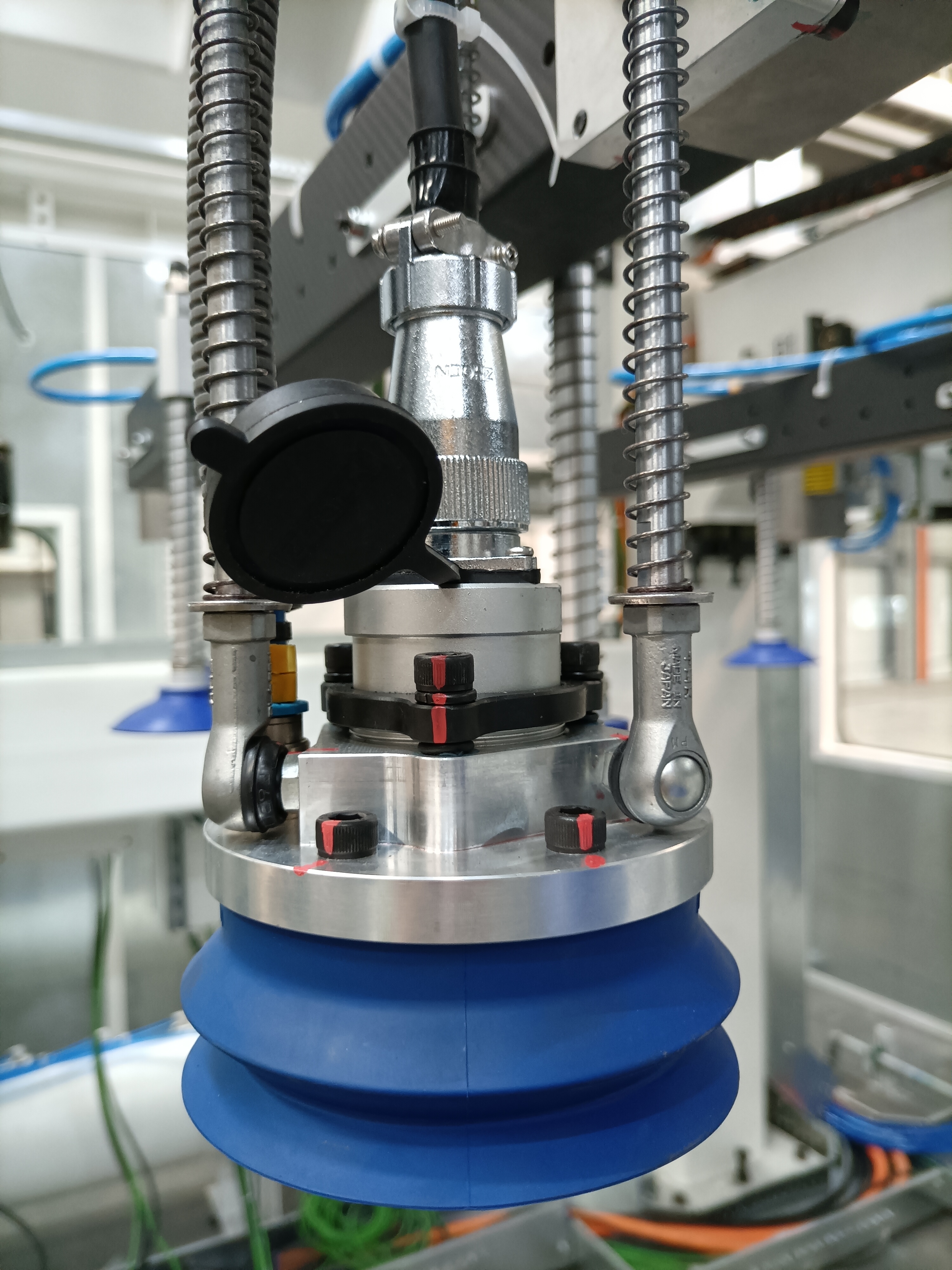
Therefore, in recent years, more and more automated production lines have gradually shifted their focus from traditional dual probe detection to the selection of dual probe detection for mechanical arm pickupsSingle probe dual detector.
Many people may wonder: can the detection accuracy and stability of a single probe really adapt to the working conditions of high-speed moving robotic arms? Based on a large number of on-site implementation cases, the answer is yes, and in the exclusive scenario of end pickups, the adaptability of a single probe is actually more in line with production reality.
The first thing to solve is the biggest pain point in the industry——Installation interference issue.
Traditional dual probe detection equipment requires vertical alignment and enclosed installation, with extremely high requirements for installation space and alignment accuracy. The mechanical arm end effector itself has a compact structure, with a dense layout of suction cups and fixtures, and there are multiple angles of swinging, translation, and lifting movements during equipment operation. The installation structure of dual probes is prone to collision and interference with molds, material stacks, and surrounding fixtures during high-speed operations, greatly limiting the freedom of motion and production pace of the robotic arm.
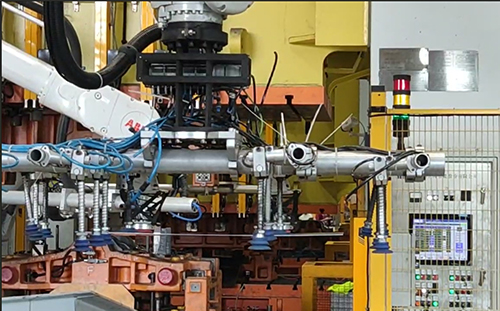
The single probe detector completely avoids this problem, as the device only needs to be fixed on one side, without the need for up and down alignment or occupying additional enclosed space. The compact and lightweight structure can perfectly adapt to the compact layout of the end effector, without interfering with any movement trajectory of the robotic arm throughout the process, without changing the original equipment structure, and without sacrificing production efficiency to adapt to the detection equipment.
Next isLightweight adaptation without increasing device load.
The mechanical arm end effector has strict requirements for the end load, and additional load will affect the accuracy and response speed of equipment operation. Long term heavy load operation will also accelerate mechanical structure wear and increase equipment failure rate.
The single probe detector has a small volume and light weight, and after installation, it hardly puts any load pressure on the end effector. It is fully compatible with high-speed stamping, high-speed laminating and other high cycle production lines, and can easily match the production rhythm of thousands of pieces per minute, without slowing down the overall production capacity of the machine or affecting the accuracy of the mechanical arm's material retrieval and release.
Furthermore, from the perspective of on-site detection logic, a single probe is more suitable for the operation process of the robotic arm.
The core of the operation of the robotic arm is to grasp and transfer materials. The single probe detector can quickly complete the detection of single and double sheet materials at the moment of suction cup picking and detachment from the material stack, identify stacking and double material problems in advance, and complete warning interception before the materials enter the mold and the next process. This pre detection method has faster response and more timely prediction, eliminating problems such as mold bursting, scrap parts, and equipment damage caused by dual material entering the mold from the source.
Of course, any device selection has scene adaptation boundaries.
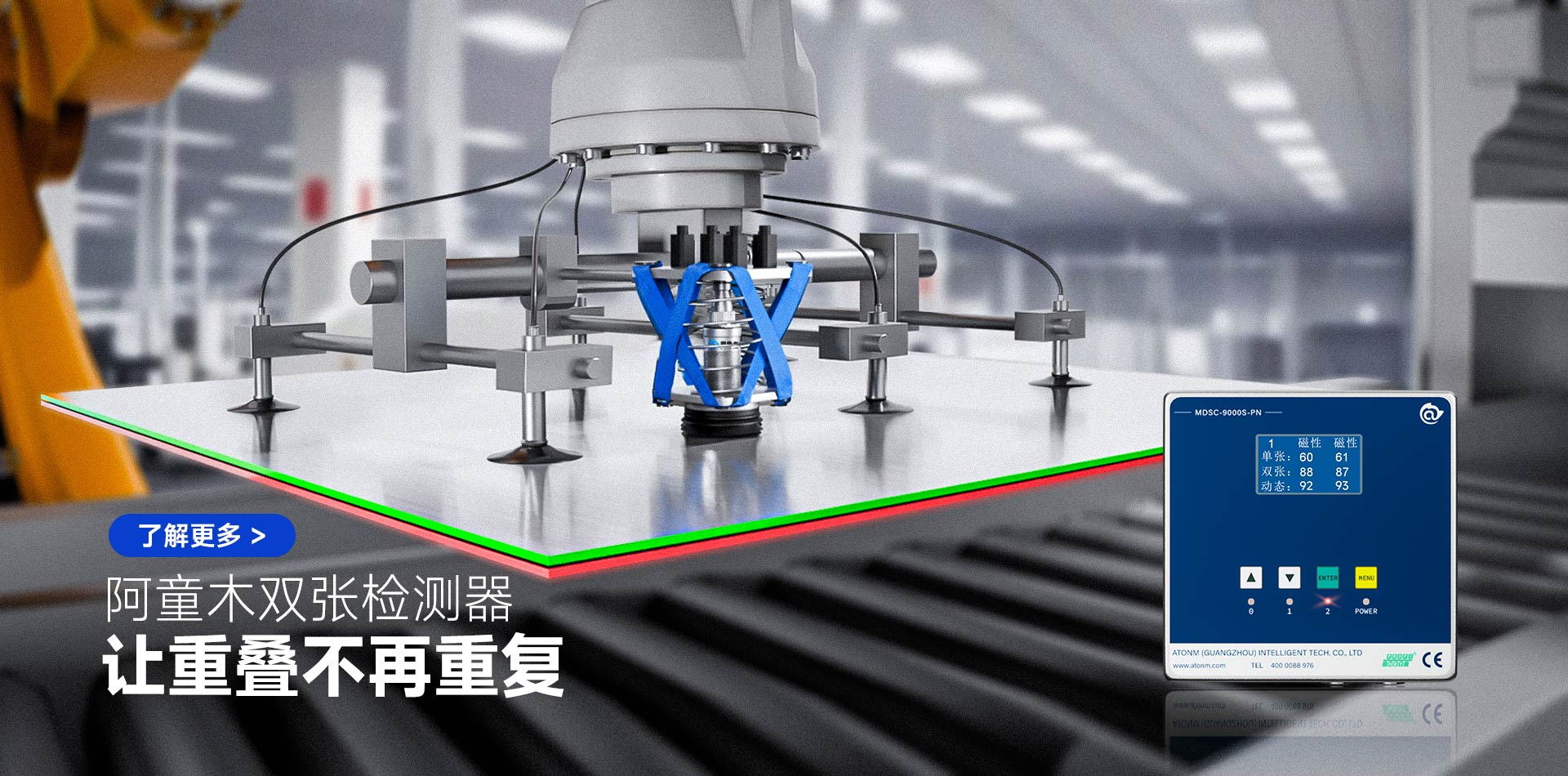
At present, the mainstream single probe dual detector for robotic arm pickups is based on magnetic induction and eddy current principles,More suitable for common industrial materials such as iron plates, aluminum plates, copper foils, sheet metal parts, etcUltrasonic and optoelectronic single probe equipment, on the other hand, have weak resistance to oil pollution and vibration, and are not suitable for complex working conditions in stamping workshops with high dust, oil pollution, and high vibration. They are prone to false detection and missed detection problems, and need to be differentiated according to needs when selecting.
Looking at the selection trend in the automation industry, it is not difficult to find that equipment selection is no longer simply pursuing optimal parameters, but ratherAdapt to on-site working conditions, reduce operation and maintenance costs, and match production pace.
In the limited space, dynamic operation, and high cycle scene of robotic arm pickups, single probe dual detector has gradually become the mainstream selection solution in the industry due to its advantages of non-interference, lightweight, easy debugging, and high adaptability. It not only solves the installation pain points of traditional detection equipment, but also ensures the safe and efficient operation of the production line.
You May Be Interested
-
Atorm has been awarded ISO three system certification, safeguarding quality and sustainable development with international standards
2026-10-12
-
Atonm MDSC-9000T Dual-Channel, Single-Sensor Metal Double-Sheet Detector
2025-12-05
-
Non-Contact “One-to-Four” Double-Sheet Detector 1600S: A New Cost-Reduction and Efficiency Solution for Stamping Lines
2025-11-20
-
Provincial Auto Industry Research Tour | Atonm Engages with the Automotive Supply Chain, Empowering Smart Manufacturing through Sensors
2025-10-11