



2026-06-24
Can a set of dual material testing equipment be shared for iron and aluminum plates of different thicknesses?
In industries such as stamping automation, sheet metal processing, and hardware forming, many factories face the same selection challenge: the production line often switches between materials and thicknesses, sometimes processing cold-rolled iron plates and sometimes producing thin aluminum plates with thicknesses ranging from 0.5mm to 3mm. In order to control equipment costs, reduce spare parts, and simplify the debugging process, there is a core issue that everyone is generally concerned about:Can a set of iron and aluminum plates with different thicknesses and materials be sharedDual material testing equipment?
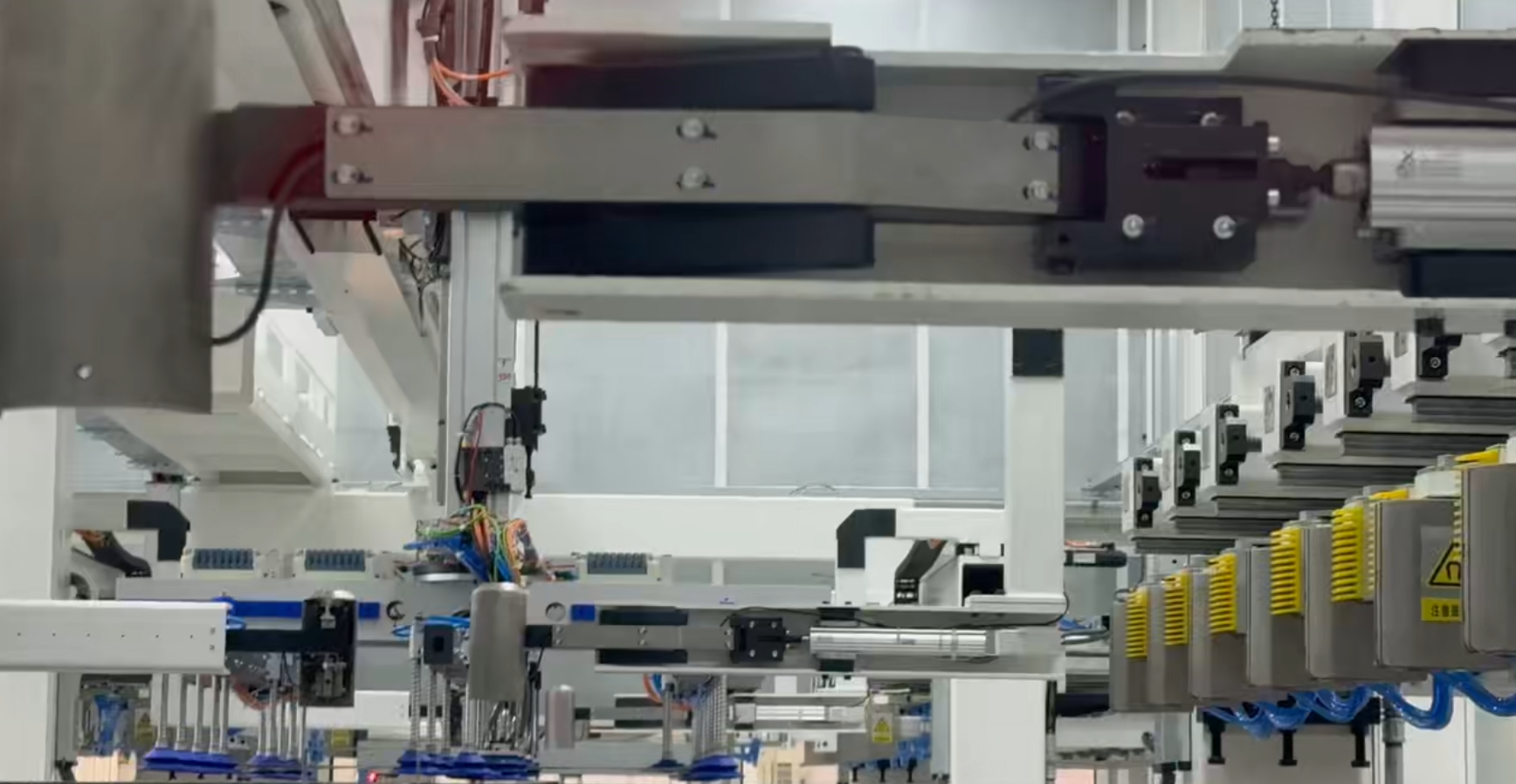
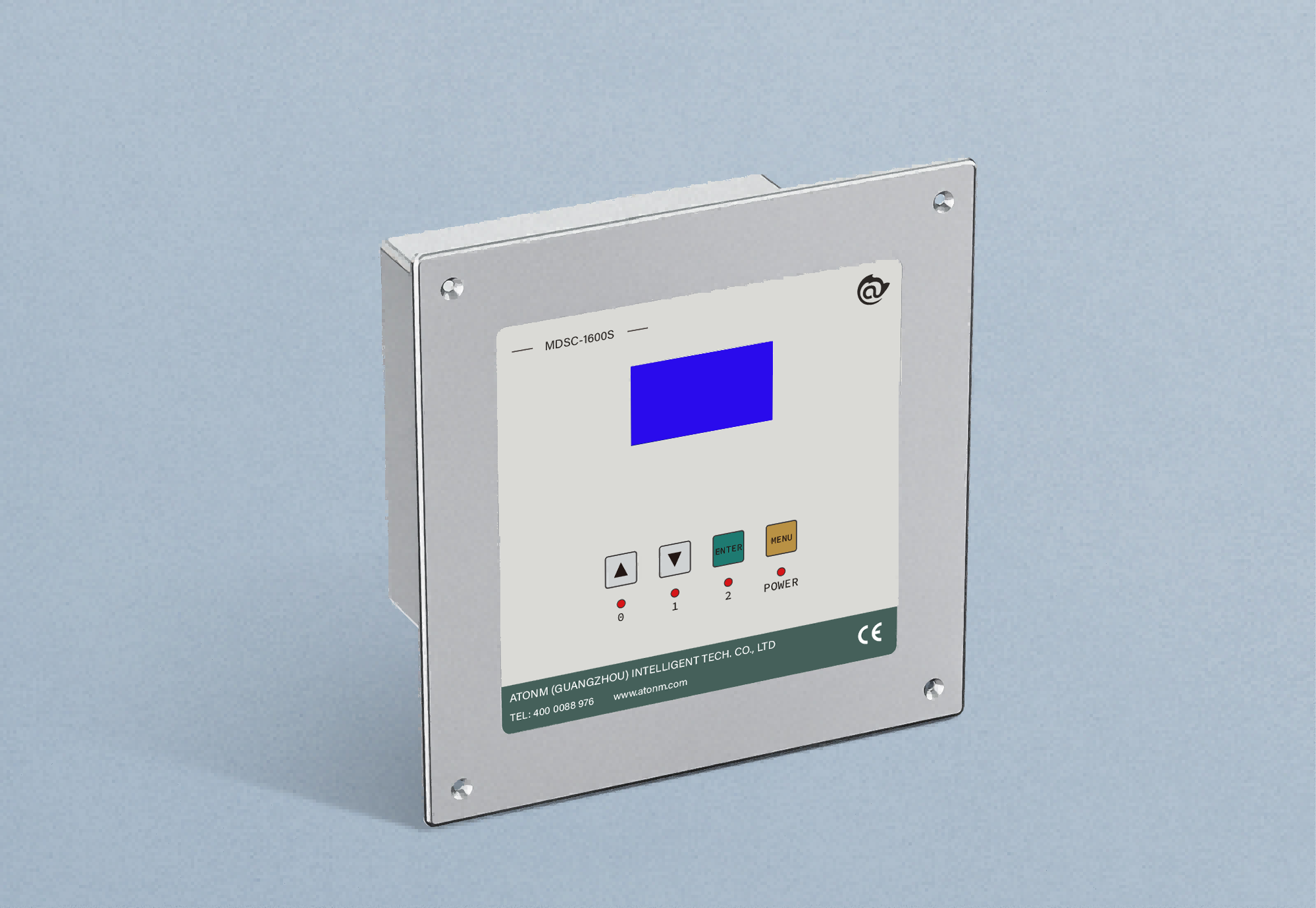
Setting aside the vague conclusions of brand promotion, from the perspective of actual on-site working conditions and testing principles, the answer is not absolute yes or no, but ratherIf the working conditions are met, it can be used universally. If the conditions are not met, forced sharing will inevitably result in false or missed detectionsFor the vast majority of small and medium-sized mixed production factories, as long as the equipment principles are selected correctly and parameter calibration is done well, it is completely possible to achieve iron aluminum mixed materials and multi thickness universality without the need for two sets of equipment to be repeatedly invested.
To understand general logic, the first step is to understand the core judgment principle of dual material detection. At present, the mainstream equipment suitable for metal sheets is mainly based on the principles of magnetic induction and eddy current. The detection logic of such equipment is not simply based on the thickness value of the sheet to judge single and double sheets, but through identificationThe difference in magnetic permeability and eddy current loss of metal materials combined with thickness variationCreate a unique signal threshold. Simply put, there is a significant difference in electromagnetic signals between iron and aluminum plates of the same thickness; And for the same type of board with different thicknesses, the signal will show regular gradient changes, which is also the core basis for the universal use of mixed materials and thicknesses.
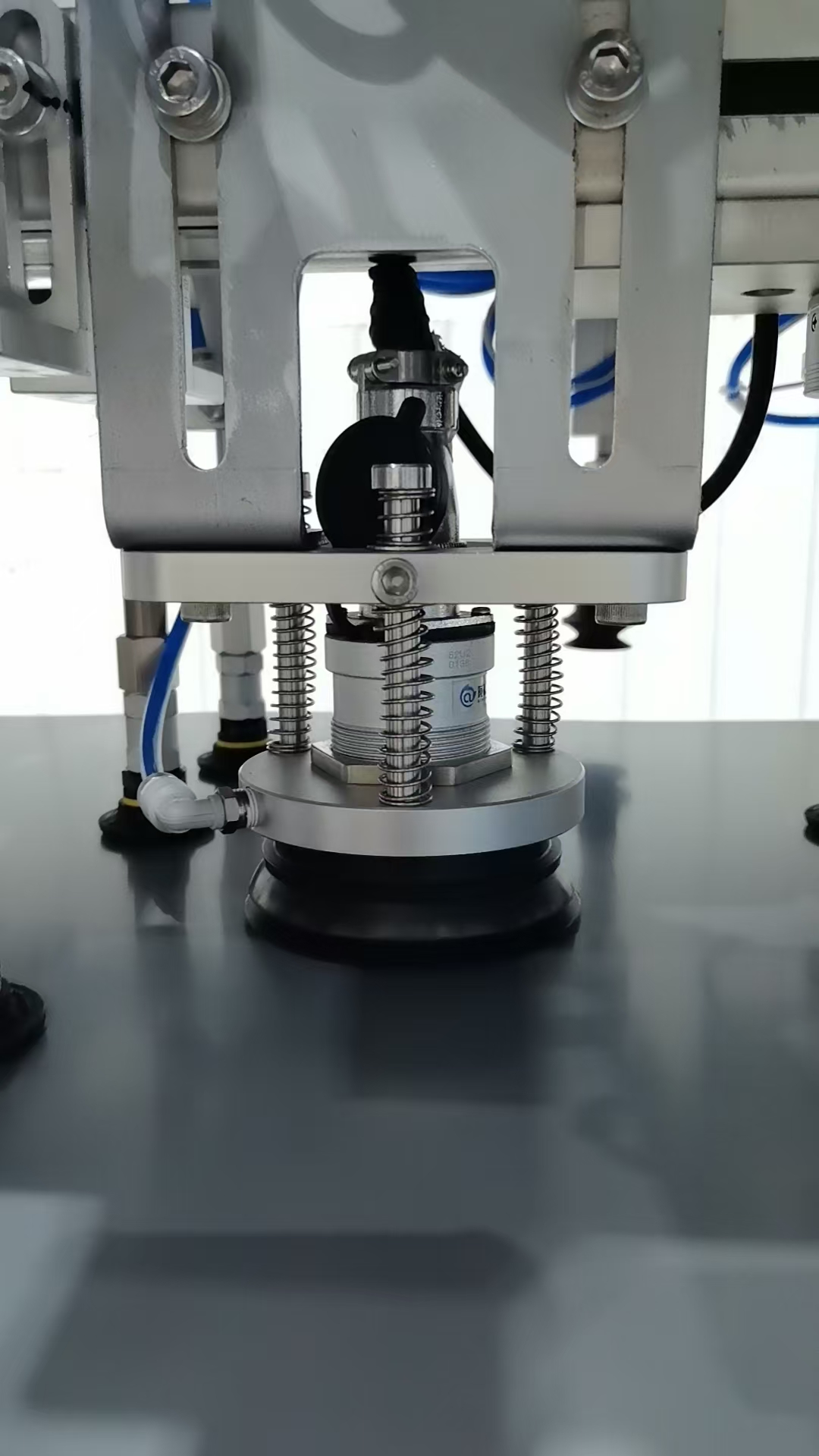
The feedback from many on-site engineers that 'cannot be used universally' is mostly not due to the limitations of the equipment itself, but rather a misunderstanding of debugging methods and equipment selection. The traditional entry-level dual material detector only supports a single threshold setting and can only be fixedly adapted to one material and one thickness of sheet metal. Once the iron aluminum material is switched or the material thickness is changed, if the signal exceeds the set range, problems such as single false alarm and double sheet detection without alarm will occur. This is also the main reason why many factories mistakenly believe that mixed materials cannot be used universally.
The core advantage of equipment that is truly compatible with hybrid production lies inMultiple parameter formula storage and free switchingThe device can calibrate the corresponding single and double signal thresholds for different thicknesses of iron plates and aluminum plates separately, and save each set of parameters as an independent formula. When changing materials during production, there is no need for tedious debugging. Simply switch the formula with one click to adapt to the current sheet, perfectly solving the detection problems of iron aluminum mixed materials and multi thickness switching.
However, there are clear working condition boundaries for universal sheet metal, and not all scenarios can be unconditionally universal. From the summary of a large number of on-site implementation cases, there are two key limiting conditions. FirstThe material span cannot be mixed with materials that exceed the standardMagnetic induction and eddy current equipment are only suitable for conventional metal plates such as iron, aluminum, and copper, and cannot mix non-metallic materials, which is a fundamental limitation. The second isThe thickness span of the material should be within the range of the equipment detection rangeEach detector has a fixed detection interval, and ultra-thin and ultra thick plates that exceed the range cannot accurately identify signal changes and do not support universal adaptation.

Meanwhile, the complex working conditions in the workshop can affect the overall stability. The common oil stains, dust, surface oxide layers on the sheet metal, and high-speed vibration of the robotic arm in the stamping workshop can all slightly interfere with electromagnetic signals. High quality equipment that is compatible with hybrid lines comes with signal filtering and anti-interference algorithms, which can filter out environmental interference, ensure the stability of detection of different materials and thicknesses of boards, and reduce false positives and false negatives from the root.
Overall, in the conventional stamping and sheet metal mixed production scenario,Dual material detection equipment with range matching and support for multi formula storage, capable of achieving multi thickness sharing of iron and aluminum platesFor production lines with multiple categories, small batches, and frequent material changes, this universal solution can not only reduce equipment procurement and spare parts reserve costs, but also significantly shorten the time for material replacement and debugging, and improve overall production efficiency. It is currently the most cost-effective and mature implementation method. However, basic equipment with a single threshold and no formula storage is not suitable for mixed material and thickness production lines, and is also a pit that factories need to avoid when selecting.
You May Be Interested
-
Atorm has been awarded ISO three system certification, safeguarding quality and sustainable development with international standards
2026-10-12
-
Atonm MDSC-9000T Dual-Channel, Single-Sensor Metal Double-Sheet Detector
2025-12-05
-
Non-Contact “One-to-Four” Double-Sheet Detector 1600S: A New Cost-Reduction and Efficiency Solution for Stamping Lines
2025-11-20
-
Provincial Auto Industry Research Tour | Atonm Engages with the Automotive Supply Chain, Empowering Smart Manufacturing through Sensors
2025-10-11