



2026-04-21
Why is it difficult for ordinary optoelectronics to stably identify double packs of aluminum foil bags?
Problem phenomenon
Many food packaging lines encounter situations during the conveyor section where there appears to be only one bag on the surface, but in reality there are two or more stacked together passing through, causing frequent errors or line stops in the sealing, weighing, or labeling equipment in the later stages. The common first choice on site is to use photoelectric sensors, but on packaging bags containing aluminum foil layers, photoelectric sensors often exhibit unstable performance and high misjudgment rates.
Why do photoelectric sensors fail?
Aluminum foil surface high reflection/mirror characteristics: Ordinary reflective photoelectric relies on surface reflection. When there is an aluminum foil layer on the bag surface, the reflection intensity changes dramatically with angle, causing unstable echoes.
Multiple layers and seams result in inconsistent echoes: Single bags and stacked bags have little difference in thickness, wrinkles, and air layers, and optoelectronics are easily misled by surface textures and wrinkles.
The bag posture is variable: the vibration of the conveyor belt, the lifting or tilting of the bag opening will change the optical reception conditions, and the photoelectric threshold is difficult to cover various postures at the same time.
Patterns and colors are not helpful for judgment: printed patterns, transparent windows, or splicing of different materials weaken the ability of optical features to distinguish between single and double bags.
On site judgment suggestion (do 3 things first)
1. Take real bag samples for single bag/stacked bag comparison testing and record the stability of photoelectric output.
2. Check the conveying posture and detection position: whether there are bag flips, wrinkles, or seams passing through the detection area.
3. Confirm if there is a continuous aluminum foil layer inside the bag (a complete and continuous metal layer is more easily utilized by metal detection principles).
A more secure solution: using the idea of "total metal content/double sheet detection"
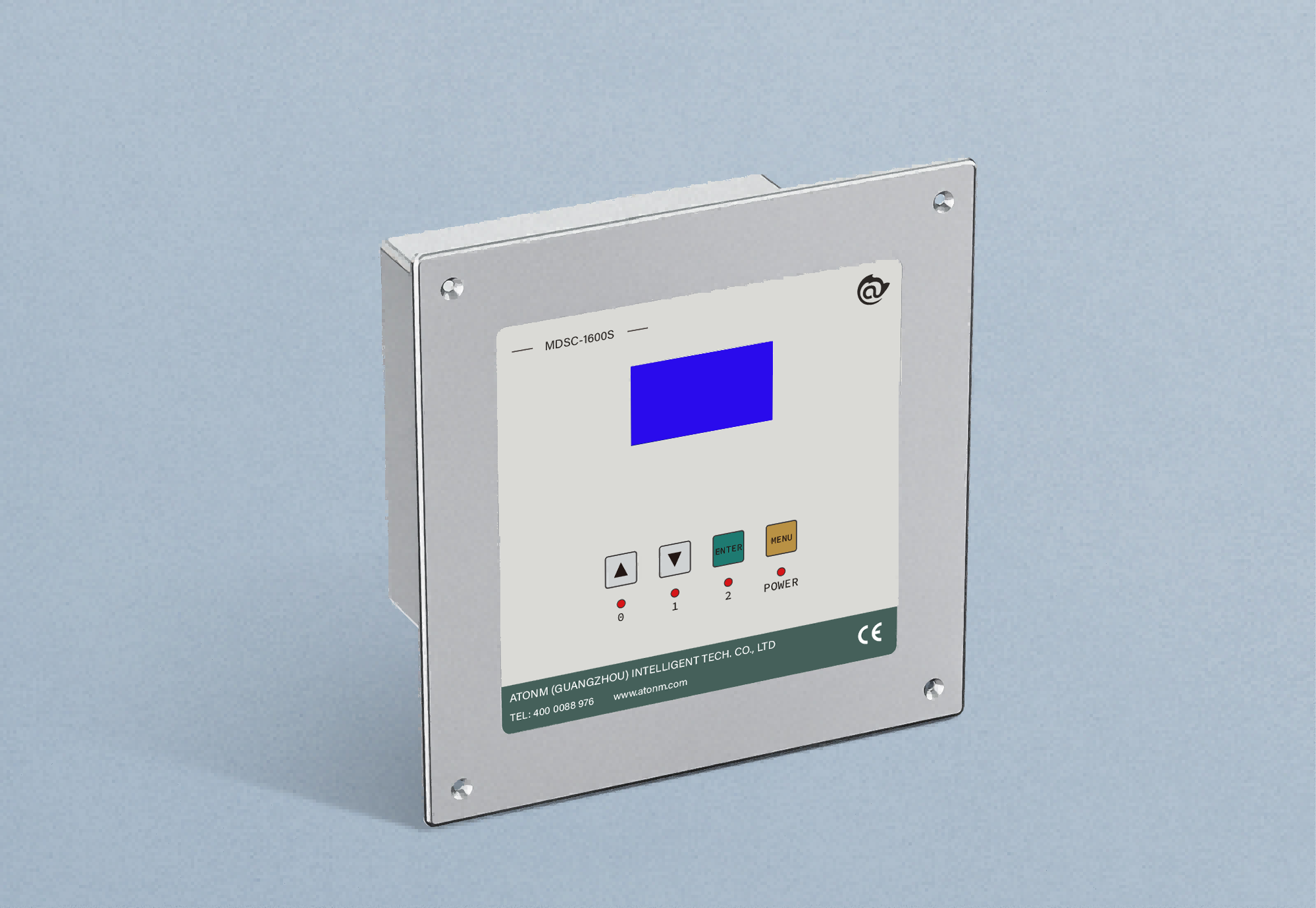
Compared to relying on surface optical reflection, detecting the total amount of metal layer changes inside the bag (or through detection) is more robust for bag types containing aluminum foil layers. The metal double detector can generate reproducible differential signals between single bags/stacked bags by detecting changes in the amount of metal passing through the area.
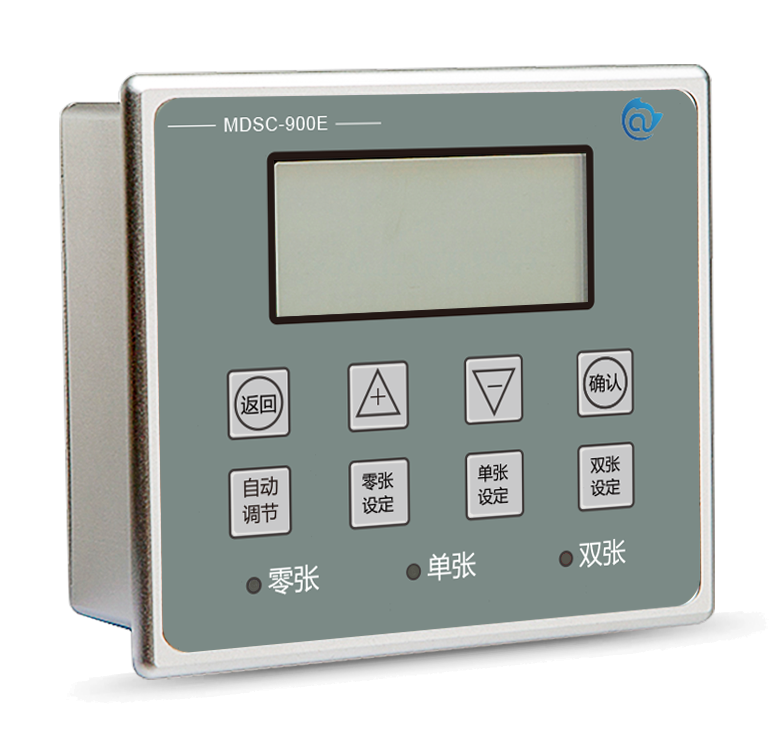
advantage
Not dependent on bag surface reflection, resistant to wrinkles and pattern interference.
• Sensitive to continuous aluminum foil layers, resulting in significant amplitude changes between single and stacked bags.
Easy linkage with conveyor (green release/red alarm/shutdown removal).
Key points for installation and debugging
Choose the appropriate detection position: usually in a stable, unfolded, and clean position in the conveying section.
First, calibrate with representative bag samples, record the output curves of single bag and double bag, and set a reliable threshold.
Combined with mechanical linkage: If bag stacking is detected, it is recommended to sound an alarm and slow down/remove it before proceeding to the later stage for processing.

When do we still need optoelectronics
On some non aluminum foil or bag types with significant surface differences, optoelectronics can still serve as an auxiliary. In practical engineering, photoelectric and metal detectors are often combined, and multi-sensor fusion is used to reduce misjudgment.
Conclusion and action items
When encountering the problem of identifying single and double bags containing aluminum foil layer packaging bags, do not blindly adjust the photoelectric sensor first; Priority should be given to conducting bag sample testing. If there is a continuous aluminum foil layer inside the bag, metal double detector or penetration detection scheme should be considered first. If you need our help with bag sample testing or on-site scheme evaluation, you can contact the engineer through the form at the bottom of the page.
You May Be Interested
-
Atorm has been awarded ISO three system certification, safeguarding quality and sustainable development with international standards
2026-10-12
-
Atonm MDSC-9000T Dual-Channel, Single-Sensor Metal Double-Sheet Detector
2025-12-05
-
Non-Contact “One-to-Four” Double-Sheet Detector 1600S: A New Cost-Reduction and Efficiency Solution for Stamping Lines
2025-11-20
-
Provincial Auto Industry Research Tour | Atonm Engages with the Automotive Supply Chain, Empowering Smart Manufacturing through Sensors
2025-10-11