



2022-06-21
Latest Subsidy Policy for the Lithium Battery Industry
On June 12, the new NEV (new energy vehicle) subsidy policy will take effect, which is expected to create investment opportunities across the lithium battery supply chain. Recent market performance and index movements show volatility ahead of policy changes.

Policy changes
Since 2018, transitional subsidy policies affected the lithium battery sector. The transition period from Feb 12 to Jun 11 applied reduced subsidy multipliers. After Jun 12, subsidy levels are adjusted across driving range bands—encouraging higher-range, higher energy-density vehicles.

Growing industry influence
China is a major lithium battery producer. Rapid growth in production over recent years has supported the global battery market. Policy timing and subsidy adjustments can influence short-term inventory and pricing dynamics.
Manufacturers were advised to manage inventory of lower-range vehicles before the policy change, which temporarily affected upstream lithium carbonate demand and prices. Overall, the policy aims to shift incentives toward higher-performance battery systems, encouraging industry consolidation and higher-value products.

After Jun 12, the subsidy policy focuses on supporting higher-mileage and higher-energy-density vehicles, reducing support for lower-performance models.
Stacking-process batteries have natural advantages in energy density compared to winding-process cells.

(BYD Blade Cell — stacking process)
Considerations for stacking production lines
* Slitting: Stacking cells require complex slitting processes with many small electrodes and edges, increasing defect risk.
* Management: Large-scale production multiplies the number of electrode pieces, making inspection, handling and tracking challenging.
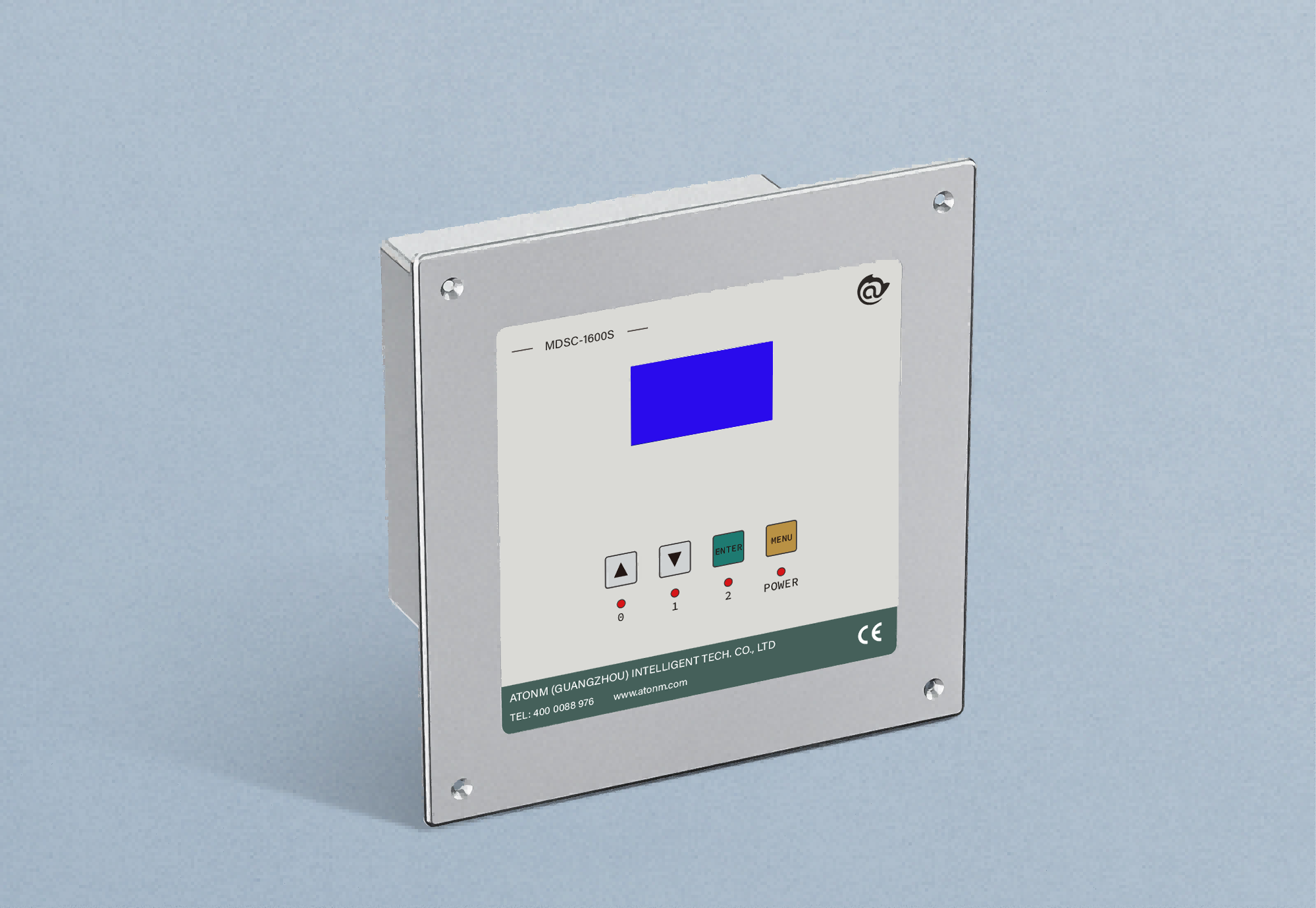
* Stacking: Thin wide electrodes are prone to double-feed during stacking; installing metal double-sheet detection systems is recommended.

You May Be Interested
-
Atorm has been awarded ISO three system certification, safeguarding quality and sustainable development with international standards
2026-10-12
-
Atonm MDSC-9000T Dual-Channel, Single-Sensor Metal Double-Sheet Detector
2025-12-05
-
Non-Contact “One-to-Four” Double-Sheet Detector 1600S: A New Cost-Reduction and Efficiency Solution for Stamping Lines
2025-11-20
-
Provincial Auto Industry Research Tour | Atonm Engages with the Automotive Supply Chain, Empowering Smart Manufacturing through Sensors
2025-10-11