



2022-06-20
LiFePO4 Battery Advantages
LiFePO4 (lithium iron phosphate), LiMn2O4 (manganese oxide), LiCoO2 (cobalt oxide) and ternary NMC are several branches of lithium-ion battery technology. Each chemistry has markedly different performance and cost characteristics.

LiFePO4 batteries (also called lithium iron batteries) are analyzed here across multiple dimensions to highlight their advantages.

1. Excellent high-temperature performance
Compared to ternary lithium batteries, LiFePO4 tolerates higher temperatures. It has good thermal stability and can withstand much higher temperatures than many alternatives.

2. Long cycle life
LiFePO4 batteries generally have longer cycle life than lead-acid and some ternary lithium cells. While lead-acid may last a few hundred cycles and some ternary cells may degrade faster, LiFePO4 can achieve thousands of cycles with high retained capacity.
3. Advantages over lead-acid batteries
1. Higher capacity per volume—single cells can reach large capacities compared to typical lead-acid cells.
2. Lighter weight—LiFePO4 packs are significantly lighter for the same energy.
3. Fast charge capability—LiFePO4 can accept higher charge currents compared to lead-acid.
4. Environmentally friendly—LiFePO4 does not contain toxic heavy metals like lead.
5. Better cost-effectiveness over lifecycle—despite higher upfront cost, longer life and lower maintenance make LiFePO4 more economical over time.

As production techniques improve, LiFePO4 applications expand beyond power batteries into broader fields.

(Stacking process vs winding process)
Stacking increases space utilization and energy density; thus stacking is increasingly used in LiFePO4 production.
Atonm MDSC-1000L Double-Sheet Detector is specifically designed to detect single vs double feeding on stacking machines. When double sheets pass, the sensor accurately detects the double feed and outputs a double-sheet signal to the host system, enabling automated removal and protecting production.

You May Be Interested
-
Atorm has been awarded ISO three system certification, safeguarding quality and sustainable development with international standards
2026-10-12
-
Atonm MDSC-9000T Dual-Channel, Single-Sensor Metal Double-Sheet Detector
2025-12-05
-
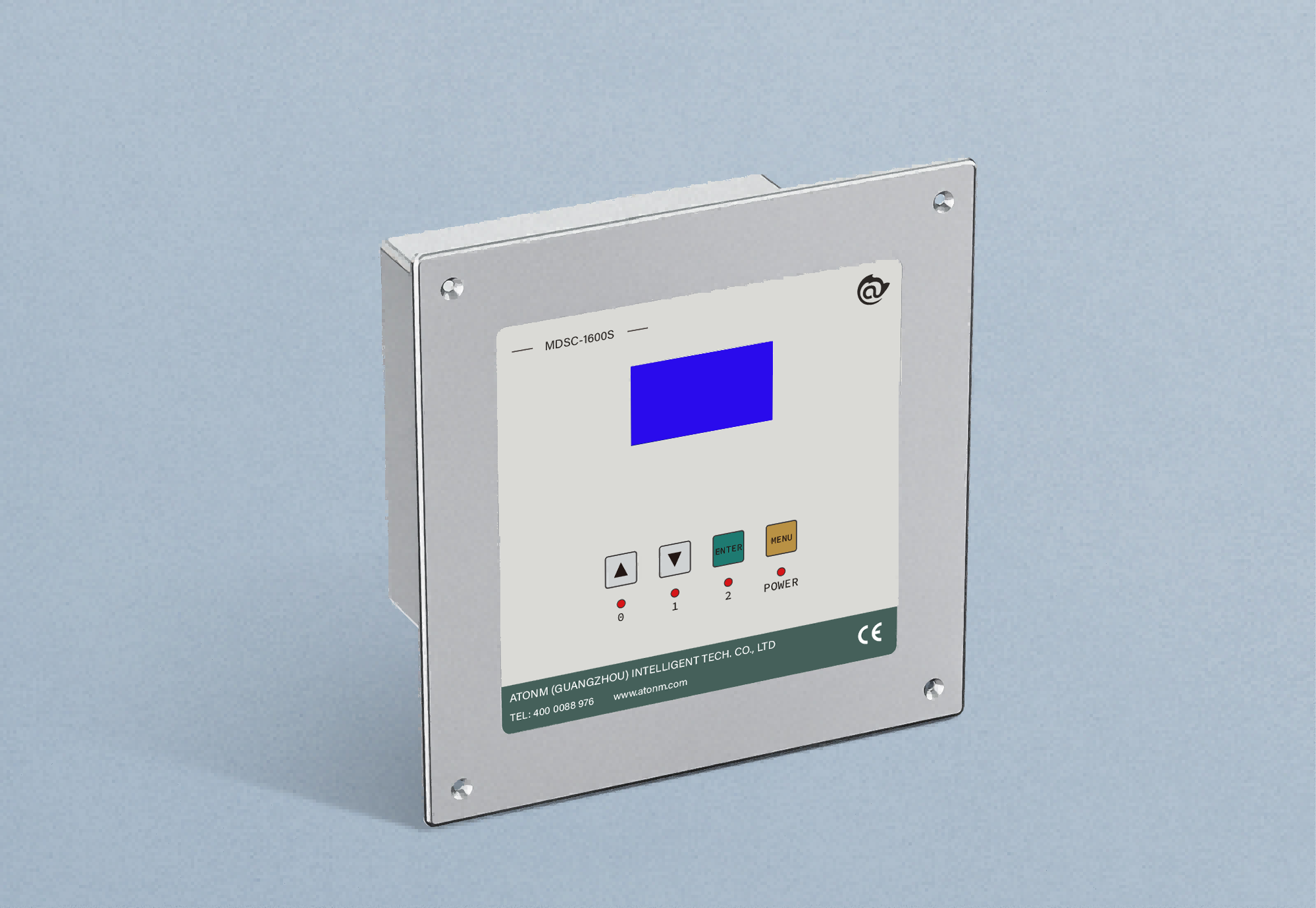
Non-Contact “One-to-Four” Double-Sheet Detector 1600S: A New Cost-Reduction and Efficiency Solution for Stamping Lines
2025-11-20
-
Provincial Auto Industry Research Tour | Atonm Engages with the Automotive Supply Chain, Empowering Smart Manufacturing through Sensors
2025-10-11