



2022-05-20
Advantages and Disadvantages of Lithium Iron Phosphate (LiFePO4) Batteries
Batteries can be broadly divided into two types: lithium metal batteries and lithium-ion batteries. Lithium-ion batteries contain no metallic lithium and are rechargeable. Lithium metal batteries require advanced manufacturing techniques and are produced by only a few companies; lithium-ion batteries are the most widely used on the market.
Working principle of LiFePO4 batteries:
Lithium iron phosphate (LiFePO4) batteries use lithium iron phosphate as the cathode material in a lithium-ion battery. The anode is typically graphite with a separator in between, commonly PP/PE/PP (PE: polyethylene; PP: polypropylene). Electrolytes may include additives such as tributyl phosphate (TBP).
During charging, Li ions are released from the cathode and move to the anode. Near full charge, Li ions are almost fully intercalated into the anode, creating an overcharge protection voltage, which contributes to excellent safety and stable performance.

Main advantages:
Excellent high-temperature performance and stability:
At an ambient temperature of 338K, internal temperatures can reach 367K; LiFePO4 cells are structurally safe and stable even if internal or external damage occurs. Compared to some ternary lithium batteries, LiFePO4 shows superior resistance to combustion and explosion.
Outstanding cycle life and user experience:
After 3,500 cycles, discharge capacity can still reach about 80%. LiFePO4 offers lower cost and does not suffer from the memory effect commonly associated with some nickel batteries.
Excellent portability:
LiFePO4 batteries reduce vehicle weight and improve range, making them suitable for electric vehicles such as BYD models and common e-vehicles, as well as for use in hazardous area inspections and medical emergency equipment. They provide stable, efficient output while maintaining high safety.
Development direction for LiFePO4 batteries
There are trade-offs. While LiFePO4 offers good high-temperature performance, its low-temperature performance is relatively poor (especially below 0°C) due to particle size and electrolyte factors, limiting use in very cold or high-altitude regions. Low tapped and compacted density also reduces energy density; nano-sizing and carbon coating are potential solutions. As a newer technology, manufacturing processes and performance are still improving, but LiFePO4 has strong prospects in the growing renewable energy sector.
Environmental and recycling issues
Addressing environmental and recycling concerns is essential. Traditional battery disposal causes pollution due to low public awareness. LiFePO4 batteries contain no toxic heavy or rare metals and are SGS tested as non-toxic, meeting RoHS requirements. Recycling focuses on valuable metals in cathode materials; current industrial methods include chemical precipitation wet processes to recover Li and Fe for reuse. High-temperature solid-phase repair and bio-leaching methods are also under research.
Application of stacking process in LiFePO4 battery production
With improved automation, the high-energy-density stacking process is increasingly used in LiFePO4 cell production. Moving from winding to stacking often introduces the problem of overlapping electrode sheets during feeding. If overlapped electrodes enter processing, entire cells may be scrapped, increasing production costs.
How to accurately detect overlapping electrode feeding during stacking?
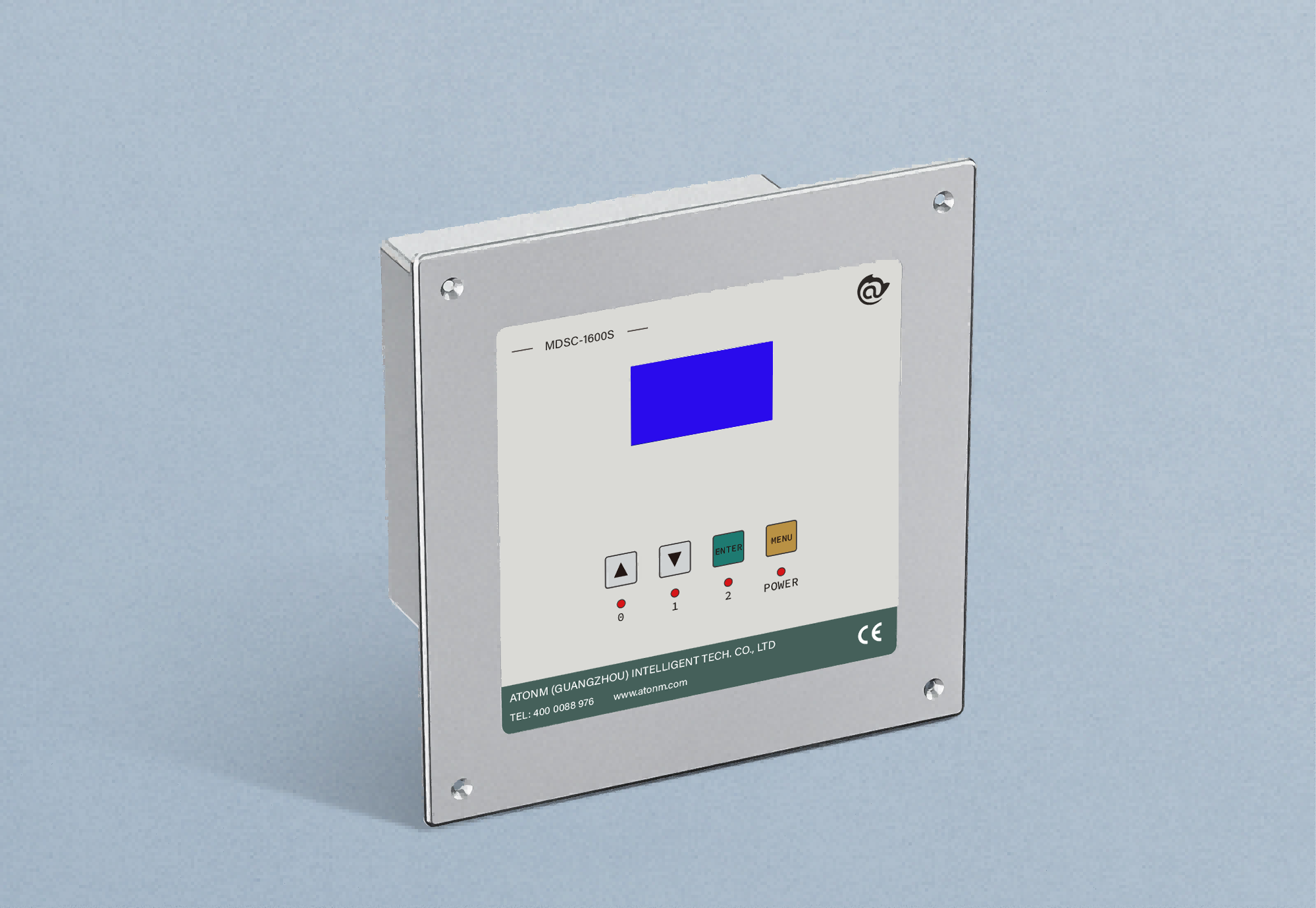
Atonm Metal Double-Sheet Detectors use electromagnetic induction principles to accurately detect single vs double feeding of tabs and electrodes, ensuring cell production safety.

You May Be Interested
-
Atorm has been awarded ISO three system certification, safeguarding quality and sustainable development with international standards
2026-10-12
-
Atonm MDSC-9000T Dual-Channel, Single-Sensor Metal Double-Sheet Detector
2025-12-05
-
Non-Contact “One-to-Four” Double-Sheet Detector 1600S: A New Cost-Reduction and Efficiency Solution for Stamping Lines
2025-11-20
-
Provincial Auto Industry Research Tour | Atonm Engages with the Automotive Supply Chain, Empowering Smart Manufacturing through Sensors
2025-10-11