



2022-06-15
Lithium Battery Raw Material Prices Surge — How to Reduce Production Costs by Improving Yield with Dual-sheet Detectors
Lithium battery raw material prices have surged; how can improving yield reduce production costs?
Battery prices rose nearly 10% between April 2021 and April 2022. One major reason is the increase in raw material prices. According to FRED data from the Federal Reserve Bank of St. Louis, the producer price index for battery manufacturers increased by 9.7%.
In discussions about low-carbon and environmental topics, one highly influential factor mentioned is the price of battery raw metal materials.
To determine the impact of raw material prices on batteries, we closely examined six metals used in lithium-ion batteries.
Lithium

Lithium's high electrochemical potential and low weight make it an ideal anode material. On May 16, the prices of lithium carbonate and lithium hydroxide rose year-on-year by 431.6% and 461.3% respectively. It is therefore not surprising that investors and industry leaders emphasized lithium in recent earnings calls.
Nickel

On March 10, the price of nickel used for battery cathodes peaked, rising sharply since early 2022. Metal price increases can significantly affect manufacturers because nickel can account for one-third to four-fifths of the cathode material cost in NMC and NCA batteries.
Cobalt

Cobalt prices rose nearly 80% year-on-year, with a rapid increase between mid-February and mid-March this year. According to the US Department of Energy Vehicle Technologies Office, cobalt may account for up to one-fifth of the cathode weight in some lithium-ion electric vehicle batteries, and it is considered a material with high short- to mid-term supply risk. Cobalt mining raises environmental and human rights concerns, especially in the Democratic Republic of the Congo, which supplies about 60% of global cobalt.
Aluminum

Aluminum foil is commonly used as a cathode current collector and may even replace lithium in some contexts. Aluminum prices rose 13.14% year-on-year.
Copper

Copper foil is typically used as the anode substrate in lithium-ion batteries. Copper hit a record high in early March 2022 and then cooled by mid-May.
Manganese

Manganese prices rose 4.9% year-on-year and are used as a cathode material in NMC lithium-ion batteries.
How to save on raw materials?
With rapid raw material price increases, effectively improving yield and reducing production waste has become a priority for many battery manufacturers. The cell stacking process is a key source of processing waste. During stacking, electrodes must be strictly ordered as positive-separator-negative-positive-separator-negative. If a double-sheet overlap occurs during feeding, the cell will be scrapped.
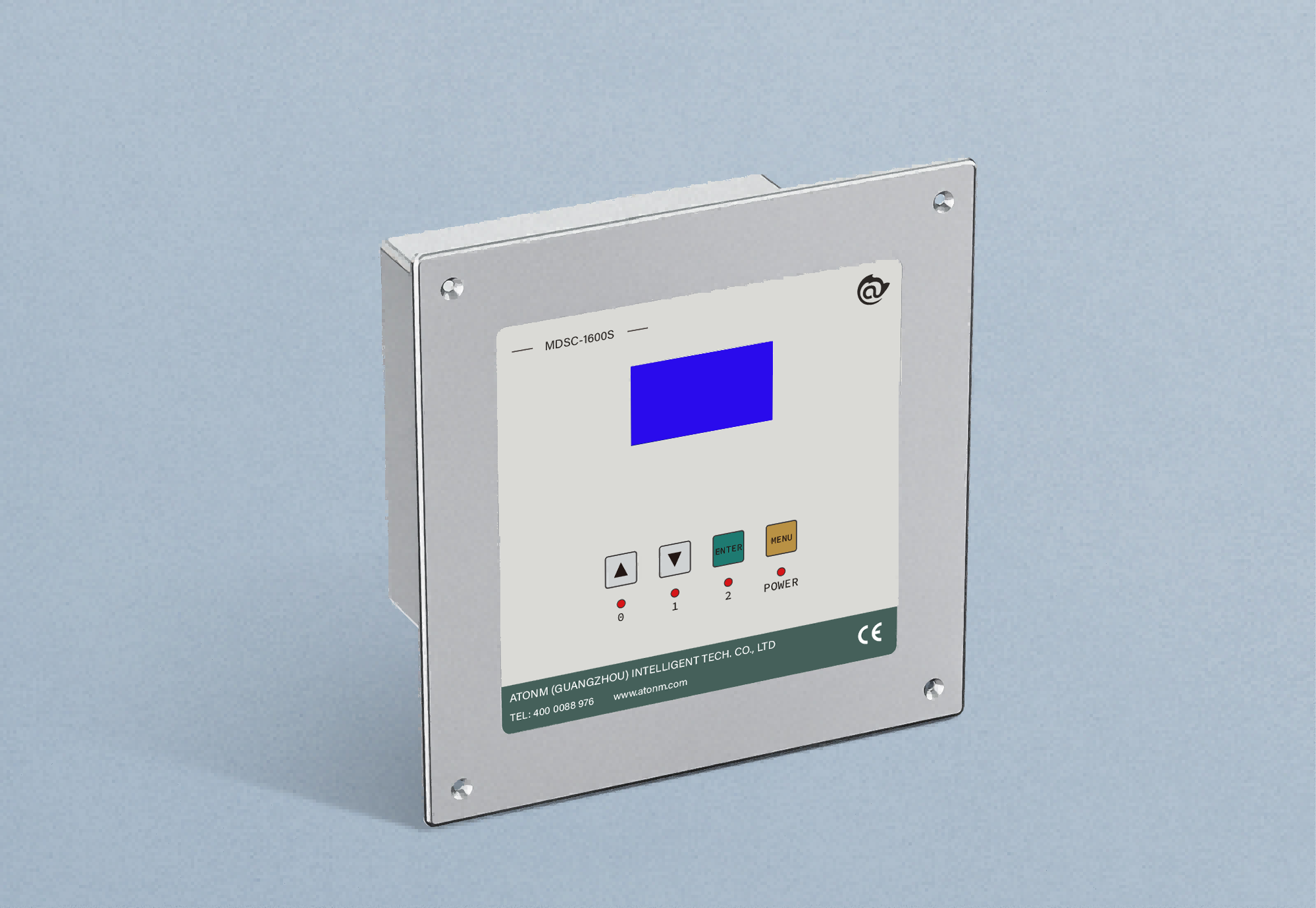
Atonm 1000L Dual-sheet Detector can detect positive and negative electrodes from 0.02mm to 4.5mm and is suitable for fully automatic and semi-automatic stacking machine feeding systems. It intelligently recognizes single and double sheets, preventing double or multiple sheet feeding that leads to defective products. The Atonm dual-sheet detector can effectively improve production efficiency and yield.

You May Be Interested
-
Atorm has been awarded ISO three system certification, safeguarding quality and sustainable development with international standards
2026-10-12
-
Atonm MDSC-9000T Dual-Channel, Single-Sensor Metal Double-Sheet Detector
2025-12-05
-
Non-Contact “One-to-Four” Double-Sheet Detector 1600S: A New Cost-Reduction and Efficiency Solution for Stamping Lines
2025-11-20
-
Provincial Auto Industry Research Tour | Atonm Engages with the Automotive Supply Chain, Empowering Smart Manufacturing through Sensors
2025-10-11