



2022-03-25
Single-Probe and Dual-Probe Metal Double-Sheet Detector: Principles and Applications
Part I — Atonm Dual-Probe Metal Double-Sheet Detector
(1) Working principle
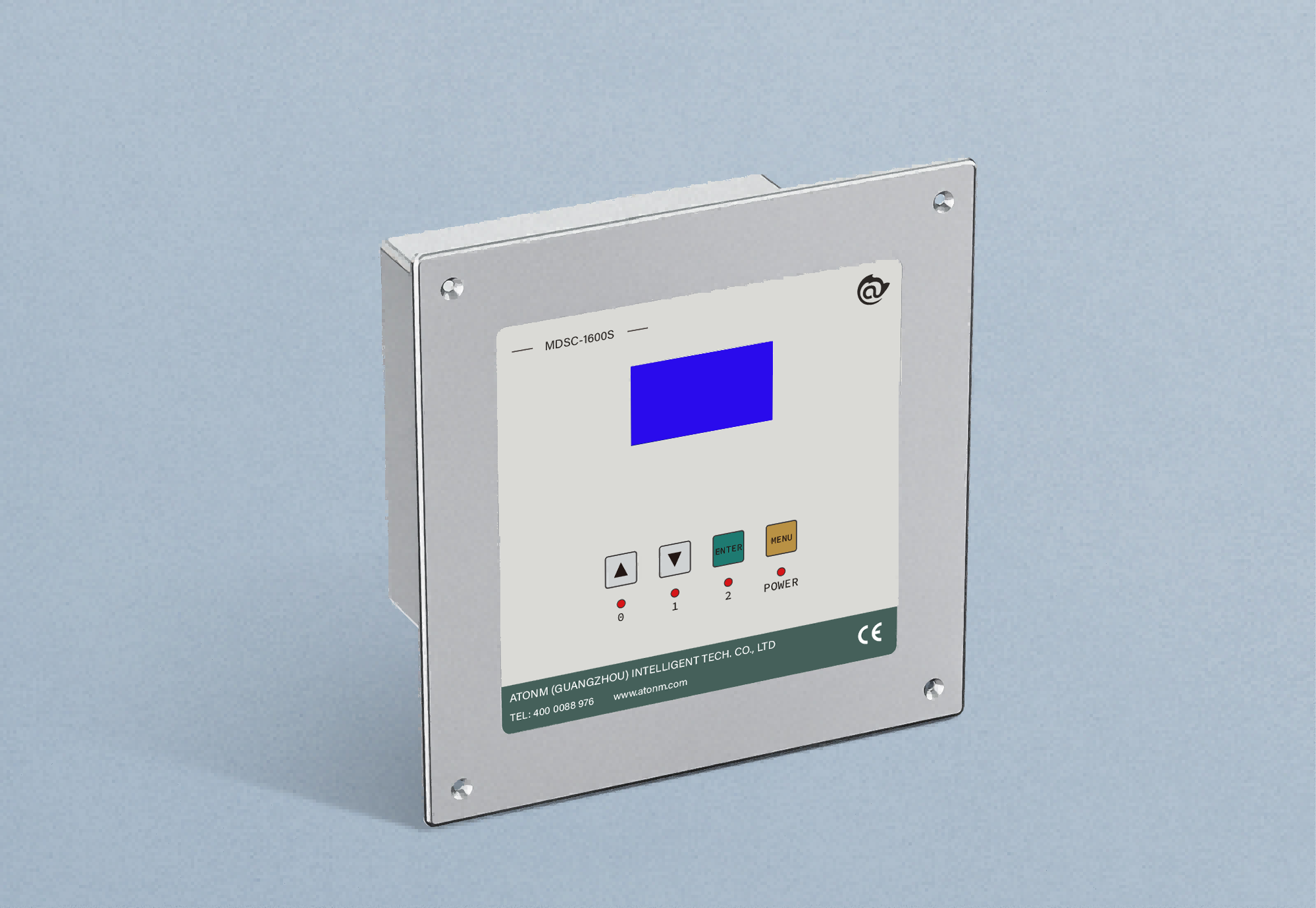
The dual-probe Metal Double-Sheet Detector consists of a host and two probes. The T probe (transmit) generates an electromagnetic field; the R probe (receive) senses the field. Different metals shield the field differently, so when a metal sheet passes, the R probe's signal changes. The host compares the signal with learned references to determine single or double sheets.

(2) Applications
Dual-probe detectors are widely used in automated feeding lines across appliances (air conditioners, refrigerators, washing machines), metal packaging stamping, and other metal forming processes. They protect molds and reduce scrapped parts when paired with cutting, stamping, or robotic equipment.
Part II — Atonm Single-Probe Metal Double-Sheet Detector
(1) Working principle
The single-probe system uses one sensor to judge material thickness, integrating electromagnetic induction and eddy-current techniques. Changes in thickness alter the induced current; comparing signals with learned references yields no-material, single-sheet, or double-sheet outputs.

(2) Applications
Single-probe detectors are commonly used in automotive stamping for magnetic materials (iron, steel) and non-magnetic materials (aluminum) to prevent double feeding and protect molds.
You May Be Interested
-
Atorm has been awarded ISO three system certification, safeguarding quality and sustainable development with international standards
2026-10-12
-
Atonm MDSC-9000T Dual-Channel, Single-Sensor Metal Double-Sheet Detector
2025-12-05
-
Non-Contact “One-to-Four” Double-Sheet Detector 1600S: A New Cost-Reduction and Efficiency Solution for Stamping Lines
2025-11-20
-
Provincial Auto Industry Research Tour | Atonm Engages with the Automotive Supply Chain, Empowering Smart Manufacturing through Sensors
2025-10-11