



2022-05-25
Metal Double-Sheet Detector - Advantages of Feeding Detectors and Fault Analysis
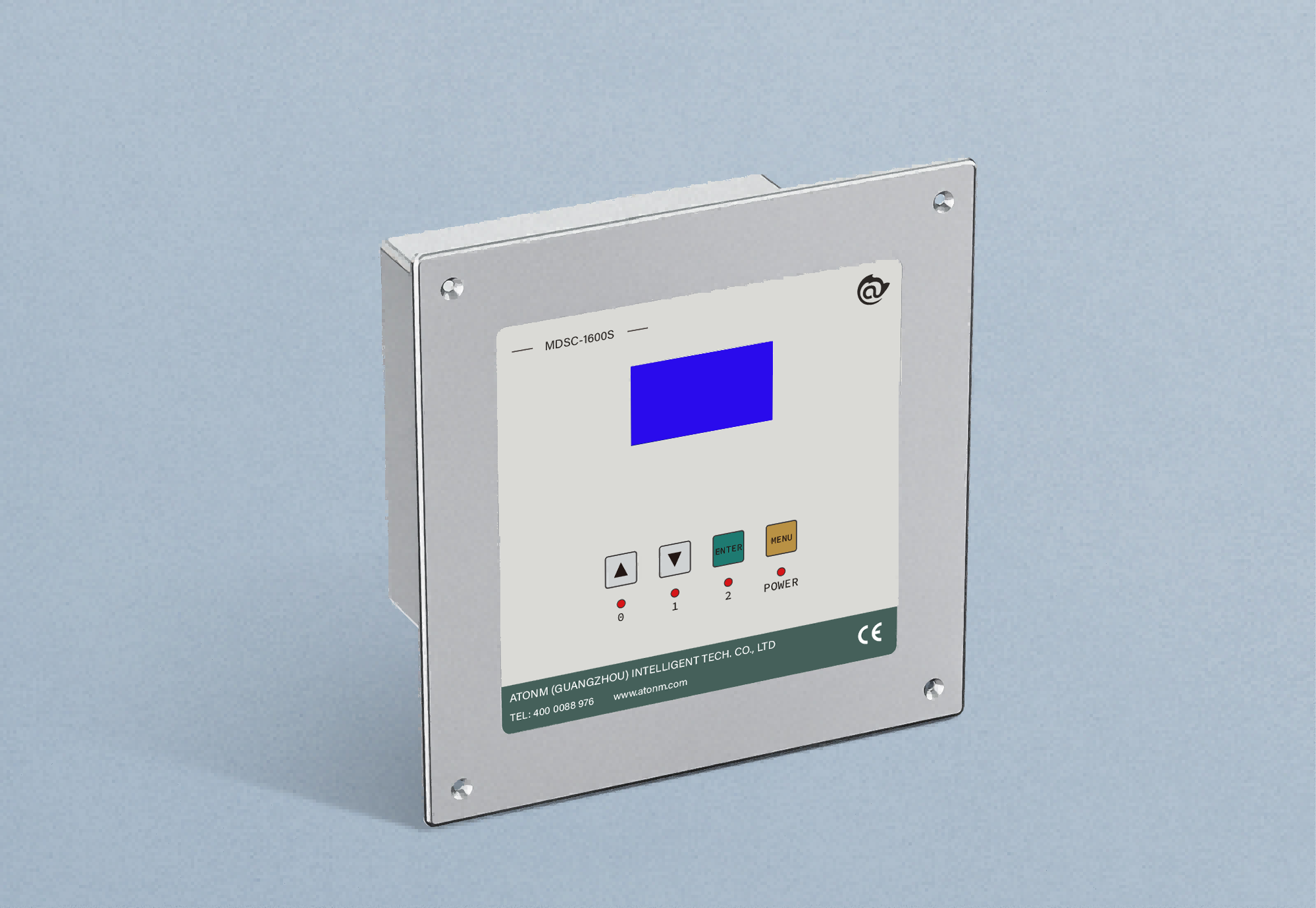
Metal Double-Sheet Detector is a sensor-based device for detecting double-sheet issues in automated loading and unloading systems. The device includes a control host and sensors; the host acts as the control core and the sensors perform detection.

1. Why Use a Metal Double-Sheet Detector
1) Ensure production efficiency
For example, tinplate used in printing has a protective oil layer; during feeding into printing or coating processes, double or multiple overlapping tinplate sheets may occur, causing misregistration, jamming and damage. To ensure smooth production, overlap detection and control are essential.
2) Save labor
In some cap manufacturing plants, overlapping caps occur during stamping or curling. Such defective parts should not enter the next stage; some companies inspect manually, which increases labor and risks missed defects. Installing automatic overlap detection replaces manual inspection and saves labor.
3) Avoid material waste
Material waste from overlapping sheets is a significant loss in production; double-sheet detection prevents unnecessary material waste.
4) Protect expensive dies and equipment
Dies are costly components, often tens of thousands in price. Double-sheet stamping can damage dies; a double-sheet detector stops overlapped sheets before stamping and prevents damage.
5) Ensure product quality
Quality and cost are the two core competitiveness factors. Effective cost control reduces expenses and improves competitiveness, while reliable product quality increases customer satisfaction and trust.

II. Fault Analysis
1) No display on power-up
(1) Power supply circuit is open or disconnected.
2) No input
(1) R/T probe wiring is broken or disconnected;
(2) Installation or detection is non-standardized;
3) Input present but no output
(1) Output terminal is loose or disconnected;
(2) Wiring is incorrect;
(3) Upper-level program is incomplete;
(4) Output delay time is insufficient;
(5) Output terminal burned out.
4) Single-sheet misreported as double-sheet (or vice versa)
(1) Incorrect learning: single-sheet signal stronger than or similar to double-sheet signal;
(2) Actual passing sheet is too close to the T probe;
(3) R/T sensors are damaged;
(4) Increase filtering time;
(5) Add dynamic learning adjustment.
To reduce misreports, ensure consistent positions during learning and detection. During learning place single sheets at the center of detection; for double sheets move them outward, and ensure double-sheet signal is stronger than single-sheet signal.

You May Be Interested
-
Atorm has been awarded ISO three system certification, safeguarding quality and sustainable development with international standards
2026-10-12
-
Atonm MDSC-9000T Dual-Channel, Single-Sensor Metal Double-Sheet Detector
2025-12-05
-
Non-Contact “One-to-Four” Double-Sheet Detector 1600S: A New Cost-Reduction and Efficiency Solution for Stamping Lines
2025-11-20
-
Provincial Auto Industry Research Tour | Atonm Engages with the Automotive Supply Chain, Empowering Smart Manufacturing through Sensors
2025-10-11