



2023-04-18
Comparison of Cell Stacking and Winding Processes
With the popularity of mobile devices and electric vehicles, battery manufacturing technologies have attracted increasing attention. Cell stacking and winding are two common battery manufacturing processes; this article compares and analyzes them.
1. Basic principles
Cell stacking stacks multiple anode and cathode sheets together and connects them with conductive agents to form a layered structure suitable for high-power batteries. Winding rolls electrode sheets into long strips and winds them into a cylinder with separators and electrolyte, which is suitable for high energy density cells.

2. Advantages and disadvantages
Stacking advantages: higher power density, better heat dissipation, and improved reliability; disadvantages include higher production cost and more complex maintenance. Winding advantages: higher energy density, lower production cost, and easier maintenance; disadvantages include poorer heat dissipation and potentially lower reliability.

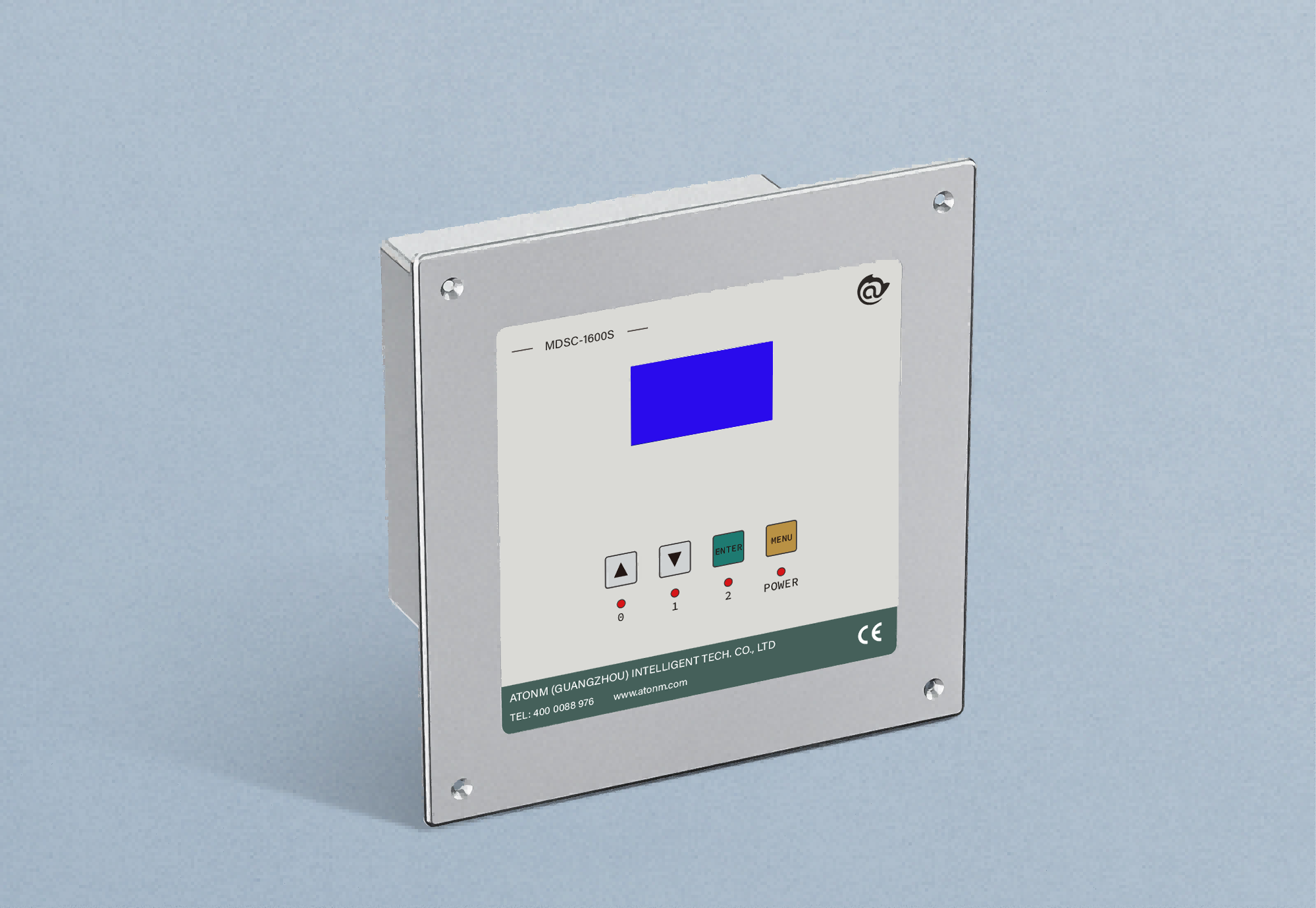
Atonm produces the Metal Double-Sheet Detector 1000L for detecting stacked metal sheets, widely used in lithium battery manufacturing to prevent die damage and material waste. Although winding is common in the battery industry today, ongoing research will determine the long-term advantages between the two processes.
You May Be Interested
-
Atonm MDSC-9000T Dual-Channel, Single-Sensor Metal Double-Sheet Detector
2025-12-05
-
Non-Contact “One-to-Four” Double-Sheet Detector 1600S: A New Cost-Reduction and Efficiency Solution for Stamping Lines
2025-11-20
-
Mold damage, production delays? Atonm MDSC-8200T metal double-sheet detector protects automotive stamping lines
2025-10-30
-
Provincial Auto Industry Research Tour | Atonm Engages with the Automotive Supply Chain, Empowering Smart Manufacturing through Sensors
2025-10-11