



2026-06-10
The new national standard for bending machines has been approved: AI safety systems will become standard, how can testing equipment keep up?
key points
ISO 6909:2026 requires safety control systems to reach PL e/SIL 3 level, but there are significant gaps in existing equipment
PROFIsafe/CIP Safety has become a mandatory requirement, and detection signals must be connected to the safety circuit
The response speed and communication capability of the dual detector directly determine the performance upper limit of the entire safety circuit
Domestic testing equipment has the ability to directly connect to the safety bus
The bending machine is the most underestimated 'invisible killer' in the metal processing workshop. According to statistics from the Ministry of Emergency Management in 2023, 62% of accidents in sheet metal processing occurred in the bending process, and extrusion injuries accounted for 41%.
The problem is not just the number of accidents. Traditional bending machines rely on fixed mechanical protective barriers and simple electrical interlocks, which are barely sufficient for single machine operation. But when collaborative robots and conveyor belts are added to the production line, the protective boundaries become blurred. Statistics show that over 70% of the safety control systems used in bending machines in China remain at PL c or below, far below the PL e required by the new standard.
The establishment of ISO 6909:2026 "Machine Tool Safety Bending Machine" was in this context. The standard requires that the safety control system must meet PL e (according to ISO 13849-1) or SIL 3 (according to IEC 62061), and the light curtain must be able to reliably detect intrusion objects of 14mm or more. More importantly, the standard introduces the concepts of AI assisted risk assessment and self-learning security systems.
This means that safety functions are no longer isolated "emergency stop button+grating", but need to be deeply linked with the entire workshop system. The safety signal interaction between the bending machine and peripheral devices such as robots and conveyor belts must be transmitted through safety buses such as PROFIsafe or CIP Safety.
The upper limit of the performance of a security system is determined by the shortest board, and the detection link is often the overlooked shortcoming. "An engineer who participated in the drafting of the standard pointed out at a technical seminar that the slow response speed and weak communication ability of the detection equipment will directly lower the PL level of the entire security circuit.
A power battery casing processing factory underwent a safety upgrade last year. After the introduction of collaborative robots to perform automatic feeding on the production line, the response delay of the double detector at the feeding port of the bending machine resulted in a 0.8 second response blind spot in the safety circuit. The renovation plan ultimately chose a dual detector with Profinet direct connection capability, and the detection signal was directly connected to the F-CPU module of the PLC safety circuit, achieving "detection is interlocking". The response cycle of the entire circuit has been compressed from 1.2 seconds to within 0.2 seconds, and the safety level has risen from PL c to PL e.
This case reveals the core logic: the new standard requires not only that "devices can detect", but also that "detection signals can enter the safety circuit at the correct time and with the correct protocol". The traditional RS-485 serial communication has inherent shortcomings - the communication delay caused by the polling mechanism is uncontrollable and cannot meet the redundancy check requirements of the safety bus.
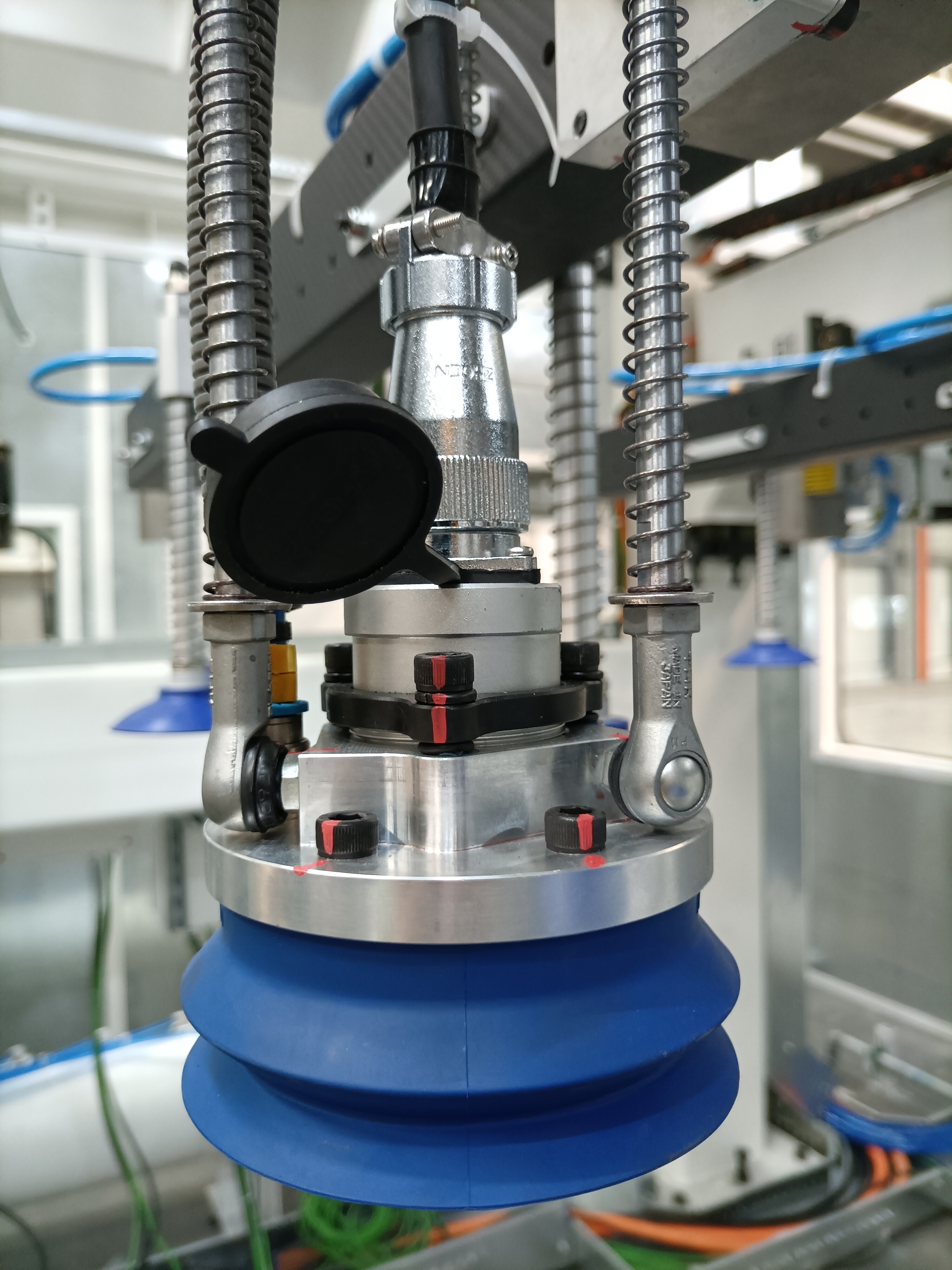
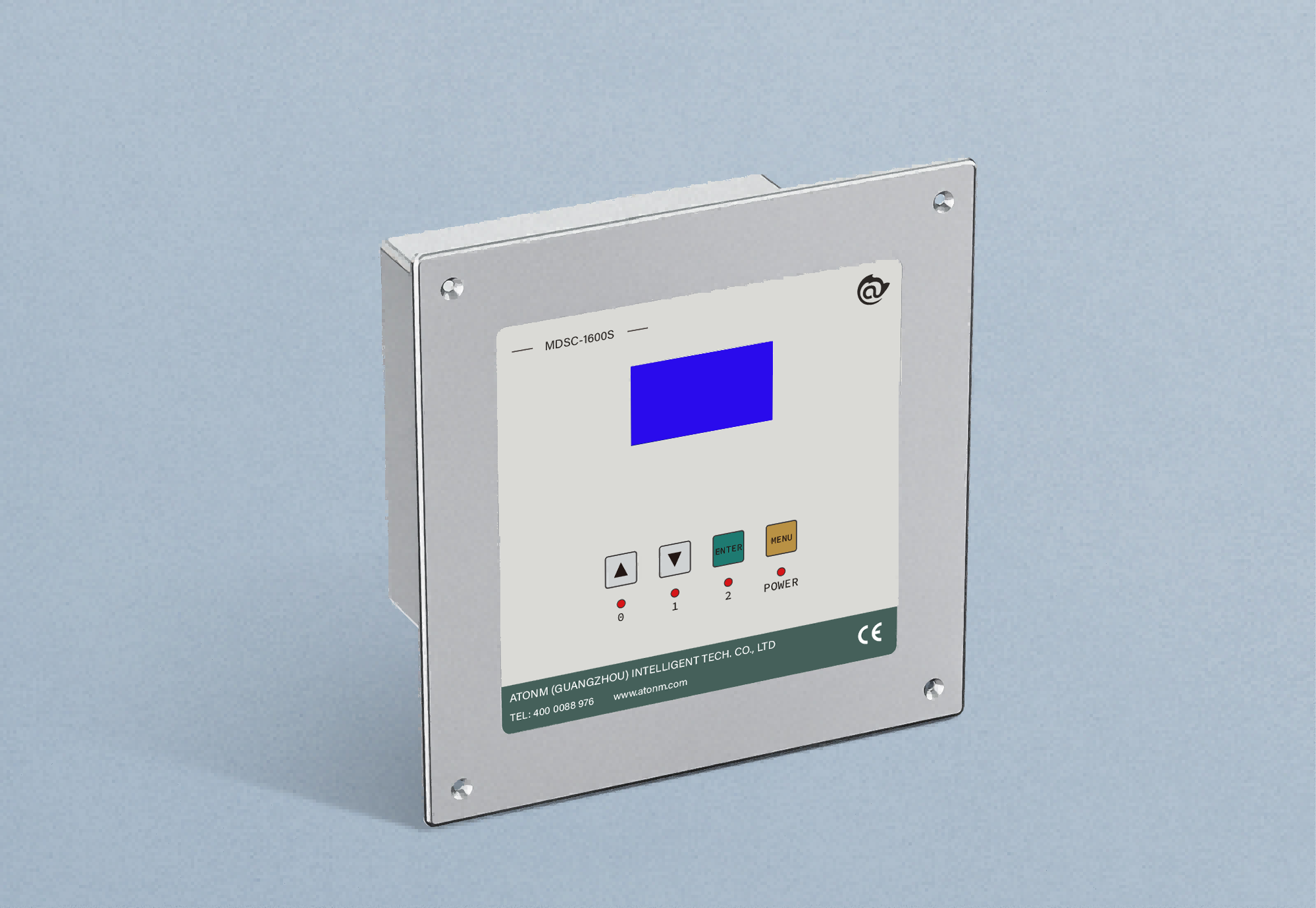
The Atorm MDSC-9000T series is a dual detector designed specifically for this requirement. Two channels work independently, with one to two configuration, supporting 999 sets of formula parameter storage. In the scenario of multi variety and small batch production, there is no need to recalibrate when changing models, and each product corresponds to a set of preset parameters that can be directly called.
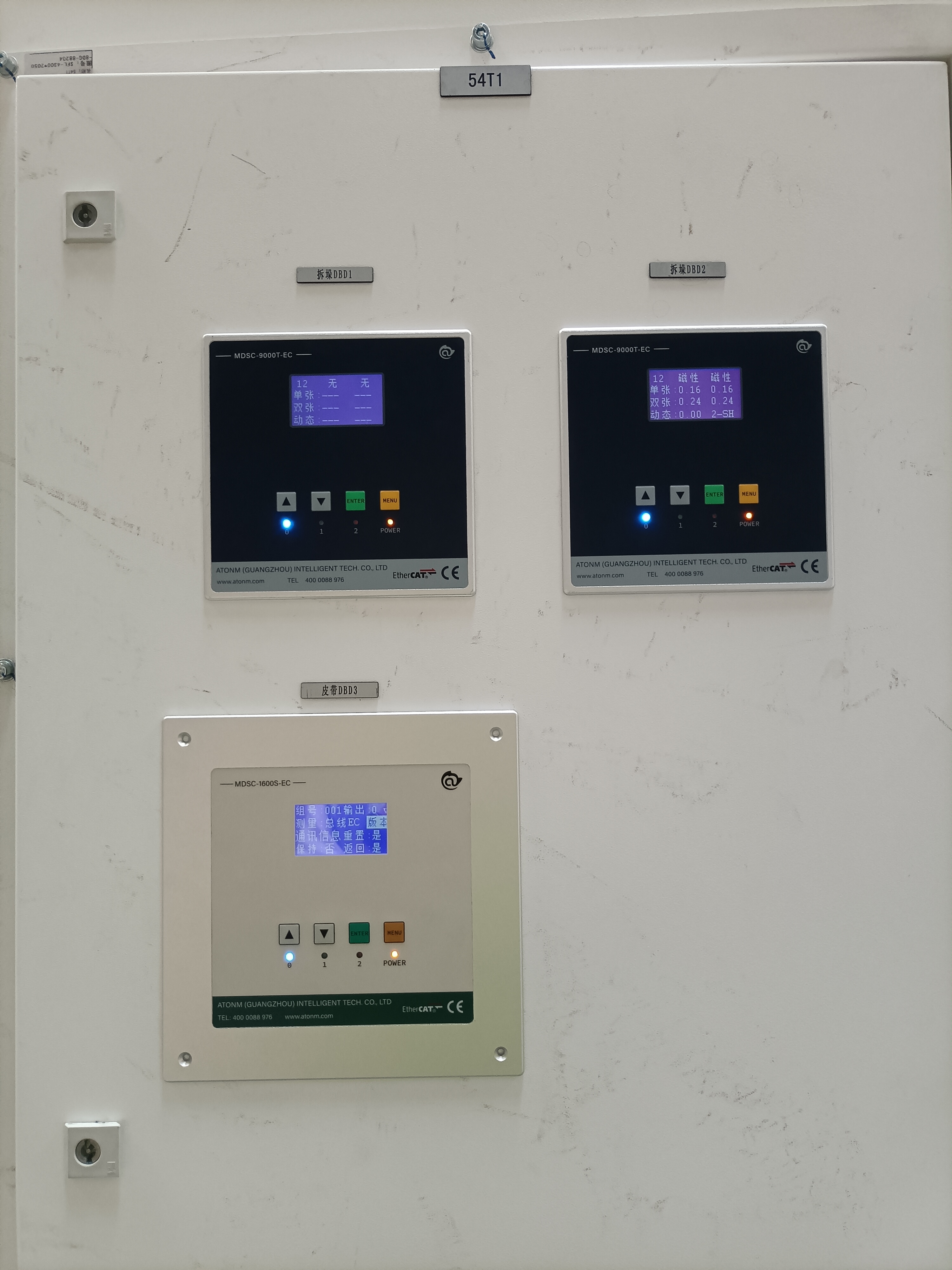
From the perspective of communication capability, the MDSC-9000T series supports three communication protocols: Profinet, EtherCAT, and RS-485. The first two industrial bus protocols can directly connect to the communication module of the safety PLC. The response speed reaches 200pcs/min, the front panel protection level is IP65, and it is compatible with various metal materials such as steel, aluminum, copper, stainless steel, etc.
The detection signal can bypass traditional hard wired methods and enter the safety circuit in digital form, achieving faster response speed and more reliable diagnostic capabilities. For enterprises planning new production lines, the MDSC-9000T series provides an option that does not require a compromise between performance and safety.
The transition time left for enterprises by the new standards is limited. ISO 6909:2026 is expected to be published by 2026. For new projects, considering the communication requirements of the secure bus from the design phase is much more cost-effective than patching them afterwards.
The selection of detection equipment ultimately answers a question: at the moment when a safety accident is about to occur, does your system have the ability to be one step faster than the injury?
You May Be Interested
-
Atorm has been awarded ISO three system certification, safeguarding quality and sustainable development with international standards
2026-10-12
-
Atonm MDSC-9000T Dual-Channel, Single-Sensor Metal Double-Sheet Detector
2025-12-05
-
Non-Contact “One-to-Four” Double-Sheet Detector 1600S: A New Cost-Reduction and Efficiency Solution for Stamping Lines
2025-11-20
-
Provincial Auto Industry Research Tour | Atonm Engages with the Automotive Supply Chain, Empowering Smart Manufacturing through Sensors
2025-10-11