



2024-05-27
Principle of Automatic Loading/Unloading Machines and How to Prevent Gripper Double-Feeding
In modern manufacturing, automatic loading and unloading machines are key production equipment that can increase efficiency, reduce costs and ensure product quality. This article explains the working principles of automatic loading/unloading machines and focuses on effective methods to prevent robotic gripper double-feeding.
Working principle of automatic loading/unloading machines
Automatic loading/unloading machines handle raw materials automatically during production by using programmed control and robotic manipulators. The feeding section typically includes material storage and delivery systems. The storage holds and classifies materials for retrieval according to production needs, while the delivery system (conveyors, suction cups, etc.) transfers materials to the machine hopper.
The robot (manipulator) is the core component. It follows preset programs to accurately pick, transport and place materials, realizing automatic feeding and unloading. Robots are usually equipped with sensors to ensure precise positioning and safe transfer, improving efficiency and reducing human error.
During production, the system monitors material consumption and automatically triggers refilling when necessary to maintain continuous operation. After parts are produced, the robot also performs accurate unloading.
How to prevent gripper double-feeding
Double-feeding occurs when the robot picks multiple sheets at once, disrupting production and potentially damaging equipment. The following methods help prevent double-feeding:
1. Optimize program design: ensure precise motion planning and control to avoid overlapping pick actions.
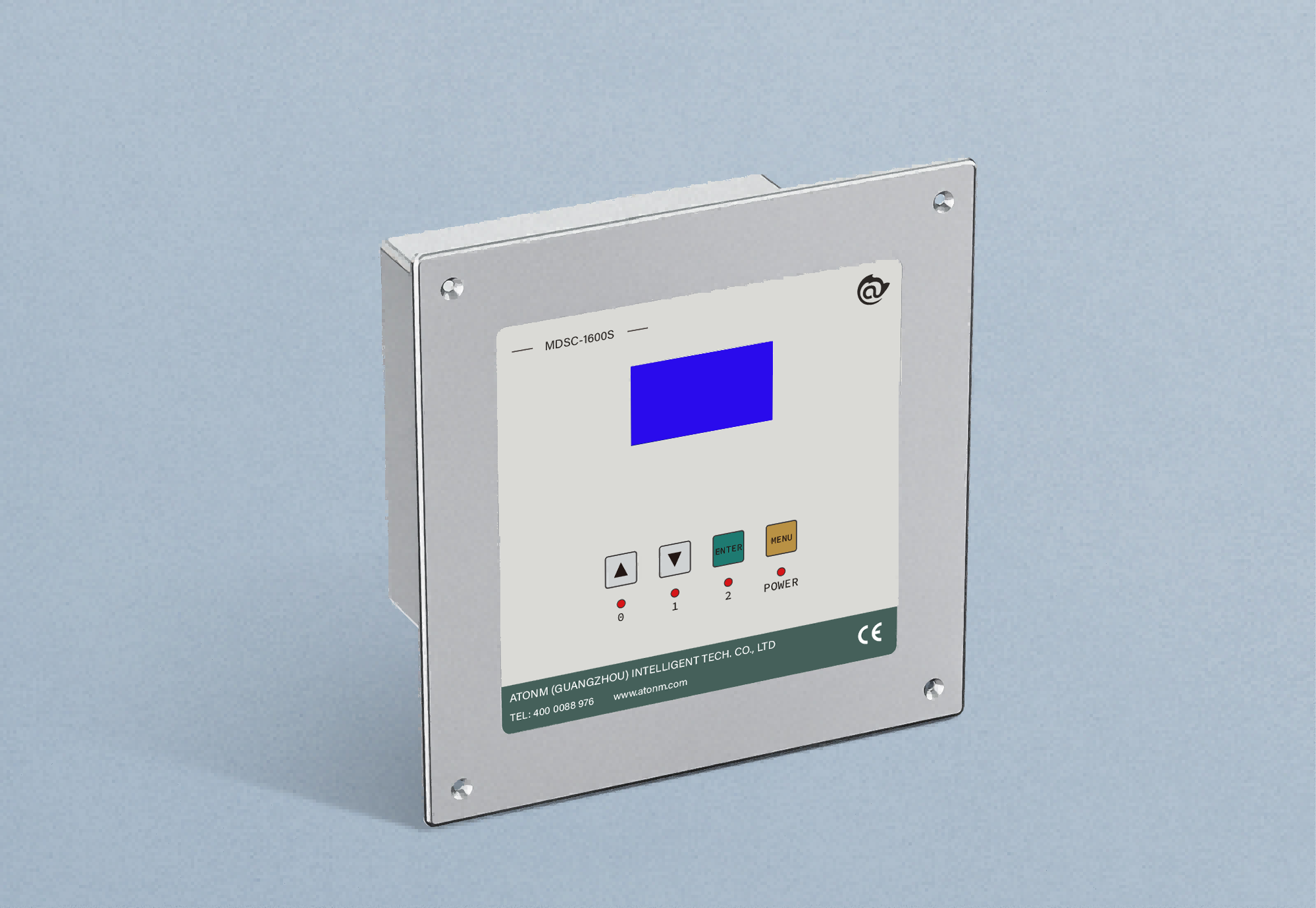
2. Install a sheet overlap detector: mount a detector at the robot pick point to check whether a single sheet or multiple sheets are grasped. If overlap is detected, the detector immediately signals and stops the pick action, preventing overlapped sheets from entering the press and avoiding die damage. One recommended unit is Atonm's MDSC-900E Metal Double-Sheet Detector, which effectively detects double-feed in typical scenarios and is suitable for metal coating, can making, printing, metal packaging and appliance stamping applications.

3. Adjust gripping force: set the gripper force according to material density and shape to avoid excessive clamping or sheet overlap.
4. Regular maintenance: inspect and maintain the robot and related components to ensure stable operation. Clean and lubricate parts to prevent increased friction that may cause double-feeding.
By implementing these measures, you can effectively prevent double-feeding during automatic loading/unloading, ensuring smooth production, reducing equipment damage and improving efficiency.
As manufacturing advances, automatic loading/unloading systems will continue to improve. Optimizing robot design and operation helps adapt to various production environments, enhancing quality and productivity and promoting intelligent manufacturing.
You May Be Interested
-
Atorm has been awarded ISO three system certification, safeguarding quality and sustainable development with international standards
2026-10-12
-
Atonm MDSC-9000T Dual-Channel, Single-Sensor Metal Double-Sheet Detector
2025-12-05
-
Non-Contact “One-to-Four” Double-Sheet Detector 1600S: A New Cost-Reduction and Efficiency Solution for Stamping Lines
2025-11-20
-
Provincial Auto Industry Research Tour | Atonm Engages with the Automotive Supply Chain, Empowering Smart Manufacturing through Sensors
2025-10-11