



2022-03-03
Uncovering the Core Reasons for Atonm Metal Double-Sheet Detector's High Reliability
How do you judge whether a double-sheet detector can be considered excellent? For Atonm, the most important metric is reliability.
What development choices, materials, and processes ensure the reliability of Atonm Metal Double-Sheet Detectors?
The following is reconstructed from document research, discussions with Atonm R&D engineers, and multiple sources. You will find:
1. What affects double-sheet detection accuracy?
2. What core materials are used in Atonm's double-sheet detector?
3. Beyond materials, what quality controls are in place for stability?
4. How do Atonm's double-sheet detectors perform in testing?
1. What affects double-sheet detection accuracy?
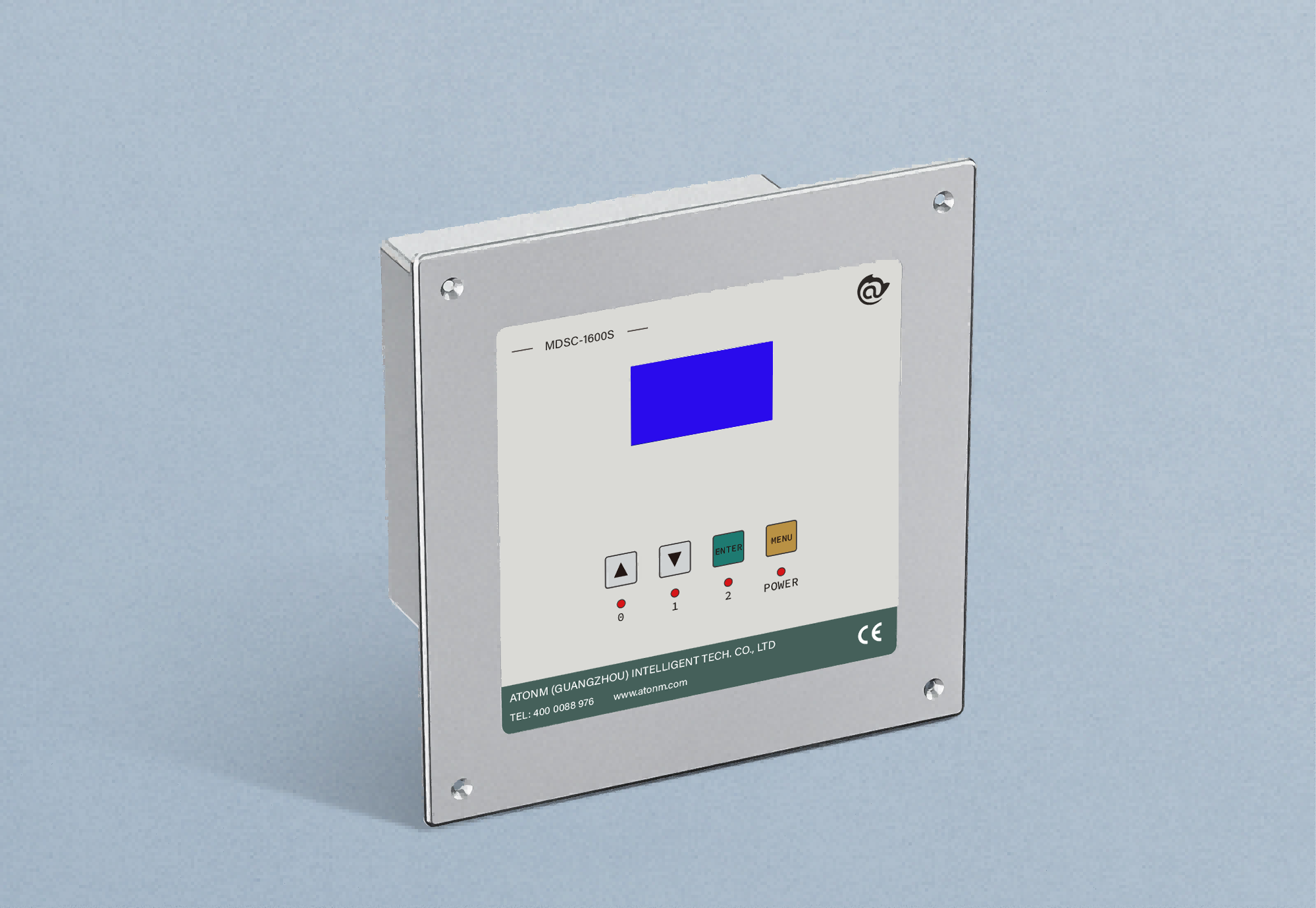
To understand the influencing factors, first learn aboutAtonm Metal Double-Sheet Detector working principle: the detector consists of a host and two probes.
 The "transmit probe" generates a magnetic field; the "receive probe" senses the magnetic signal. Different metals affect the magnetic field differently, so when a metal sheet passes, the received signal changes.

The host compares magnetic signals with learned reference signals to decide single or double sheets. Because metal-induced magnetic fields depend on the metal itself, they are not affected by sound, oil, or coatings.
Therefore, the biggest factors affecting double-sheet detection accuracy are harmonics and electromagnetic interference in the production environment.
The engineers reported that many off-the-shelf detectors work well during commissioning but underperform on production lines due to ignored interference from servo motors, inverters, and high-frequency power supplies.
2. A closer look at Atonm Metal Double-Sheet Detector
To improve reliability, what did Atonm change in materials? Here is a comparison table for clarity.

From the table, it is clear that materials for stable anti-interference signals must be applied system-wide. Even invisible parts must follow reliability principles to ensure production safety.
Patented metal housing — Atonm engineers analyzed electromagnetic signals and chose a special 3mm-thick alloy housing for the detector, then applied for a patent.

Four-layer integrated circuitry — circuit design and PCB selection help resist interference.
Atonm addressed zero drift and sensitivity drift at the circuit design and process levels.

To achieve higher reliability, work must be done in unseen areas.
3. Beyond materials, what quality controls exist?
Atonm exercises long-term control across stages and performs 100% inspection during mass production to ensure stable products.
Atonm uses reflow and wave soldering and conducts accelerated aging tests to ensure reliability over 3–5 years.
 Through these strategies, Atonm implements a four-level control system—design, materials, components, and the complete unit—to ensure delivery quality.
4. How do Atonm Metal Double-Sheet Detectors perform in testing?
Atonm sends products to accredited labs for comprehensive testing. In rigorous 30±2 day tests including EMC and reliability checks, they achieve near-zero false reports.
"High reliability is both technical skill and conscience," engineers say — Atonm aims to deliver more high-quality products.
You May Be Interested
-
Atorm has been awarded ISO three system certification, safeguarding quality and sustainable development with international standards
2026-10-12
-
Atonm MDSC-9000T Dual-Channel, Single-Sensor Metal Double-Sheet Detector
2025-12-05
-
Non-Contact “One-to-Four” Double-Sheet Detector 1600S: A New Cost-Reduction and Efficiency Solution for Stamping Lines
2025-11-20
-
Provincial Auto Industry Research Tour | Atonm Engages with the Automotive Supply Chain, Empowering Smart Manufacturing through Sensors
2025-10-11