

Project Services
Solution Design
Application Validation Support
Parameter Optimization Guidance
Commissioning Support
By clicking on the button “I accept” or by further usage of this website you express consent with usage of cookies as well as you grant us the permission to collect and process personal data about your activity on this website. Such information are used to determine personalised content and display of the relevant advertisement on social networks and other websites. More information about personal data processing can be found on this link Cookie Policy.
Agree


Single Sensor
Double Sensor
Image Sensor
2026-07-27
A leading vehicle manufacturing enterprise in North China has upgraded its stamping production line to automation. The feeding process uses a robotic arm to automatically unpack the stack, and the sheet metal is sent to the stamping process through a belt conveyor. The high running pace of the production line and frequent switching of vehicle models have put forward strict requirements for the double inspection of the feeding process.
The final deployment of Atorm on the production lineDual detectionPlan to build a dual defense line of "interception in the unpacking area+belt line verification":
| Inspection Station | Device Model | quantity | Deployment method |
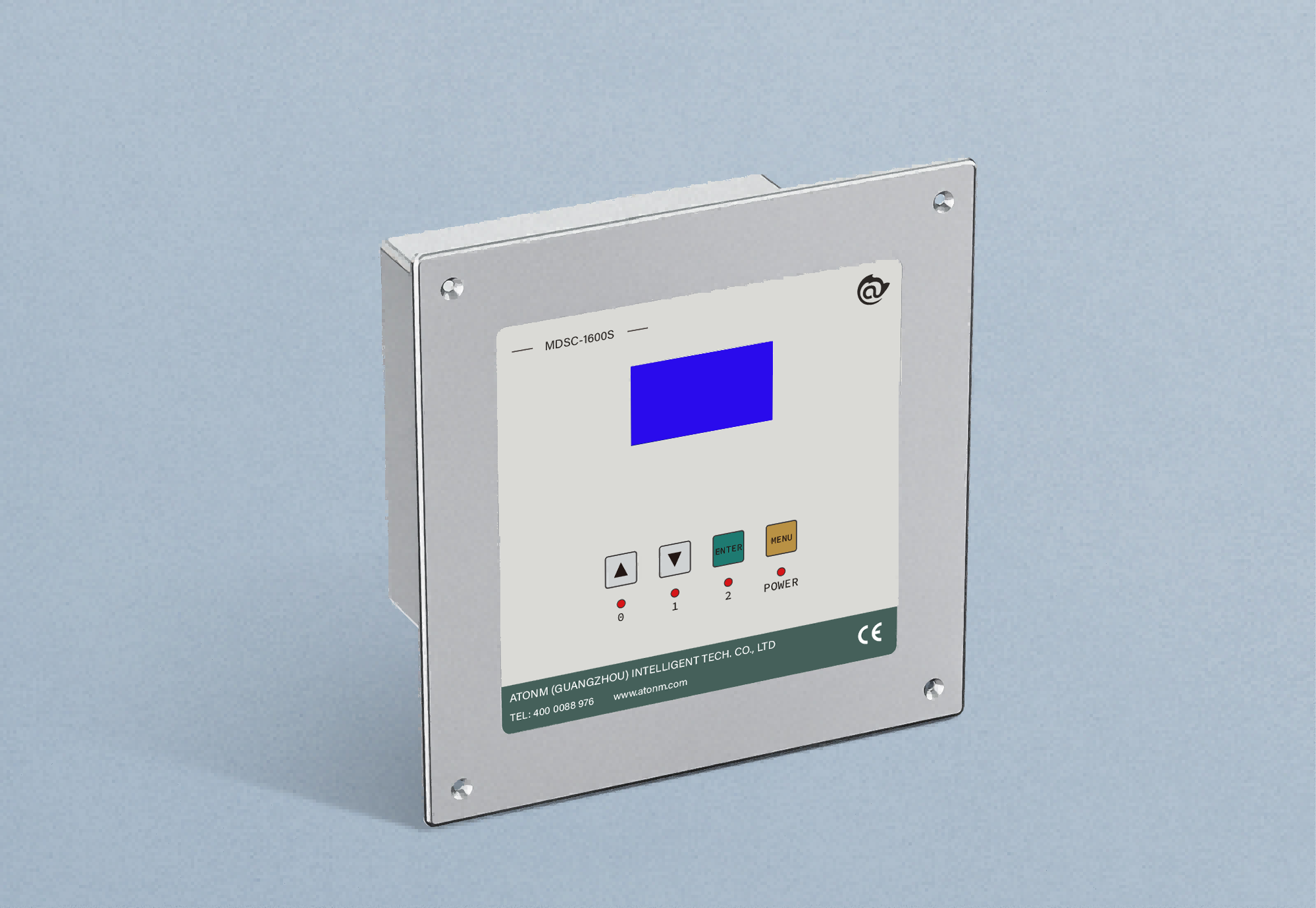
| Depalletizing Area | MDSC-9000S | 1 unit | Integrated into the end effector of the robotic arm |
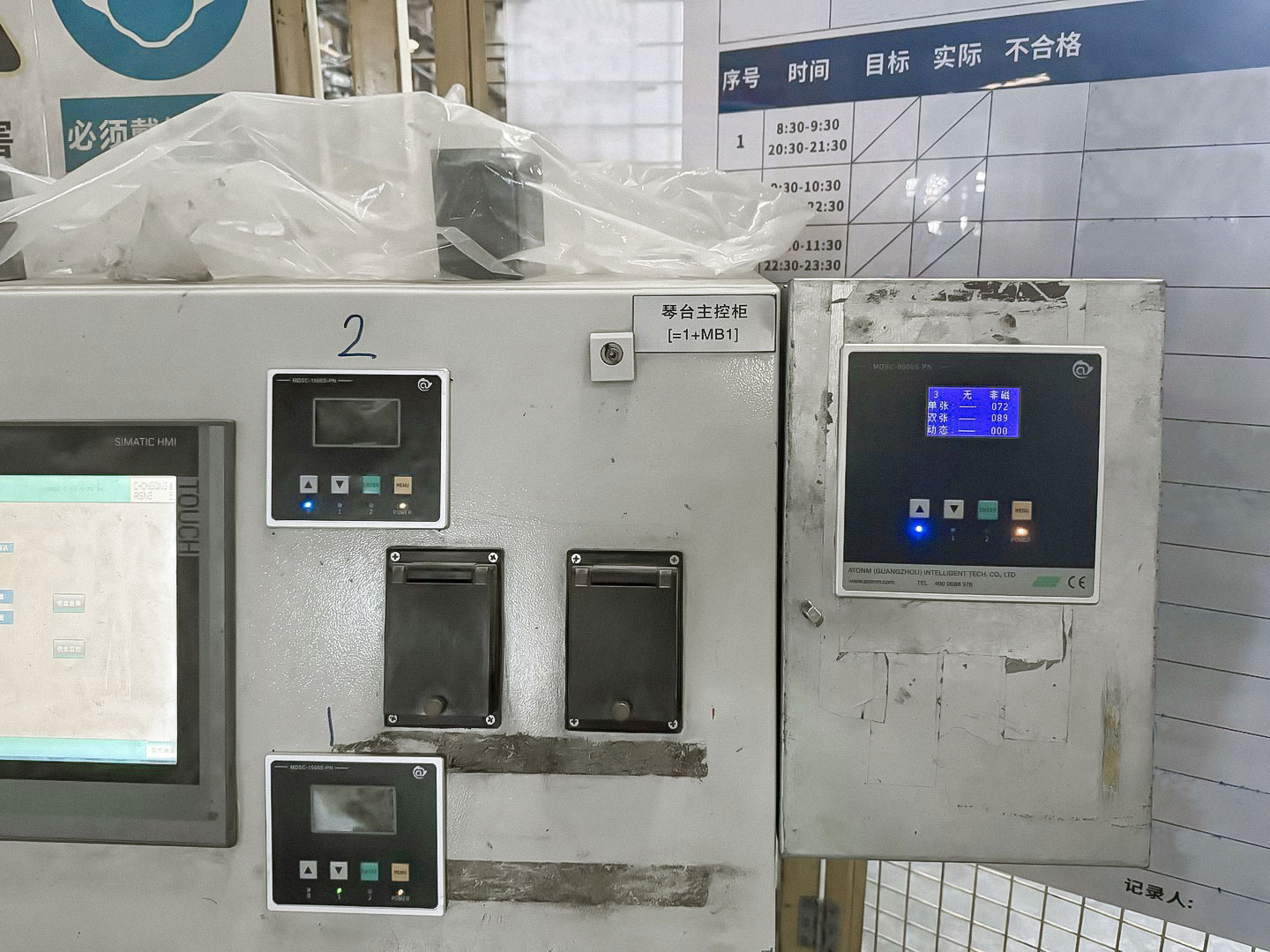
| belt line | 1500S | 2 units | Through installation, 2 units are deployed side by side at the same workstation |
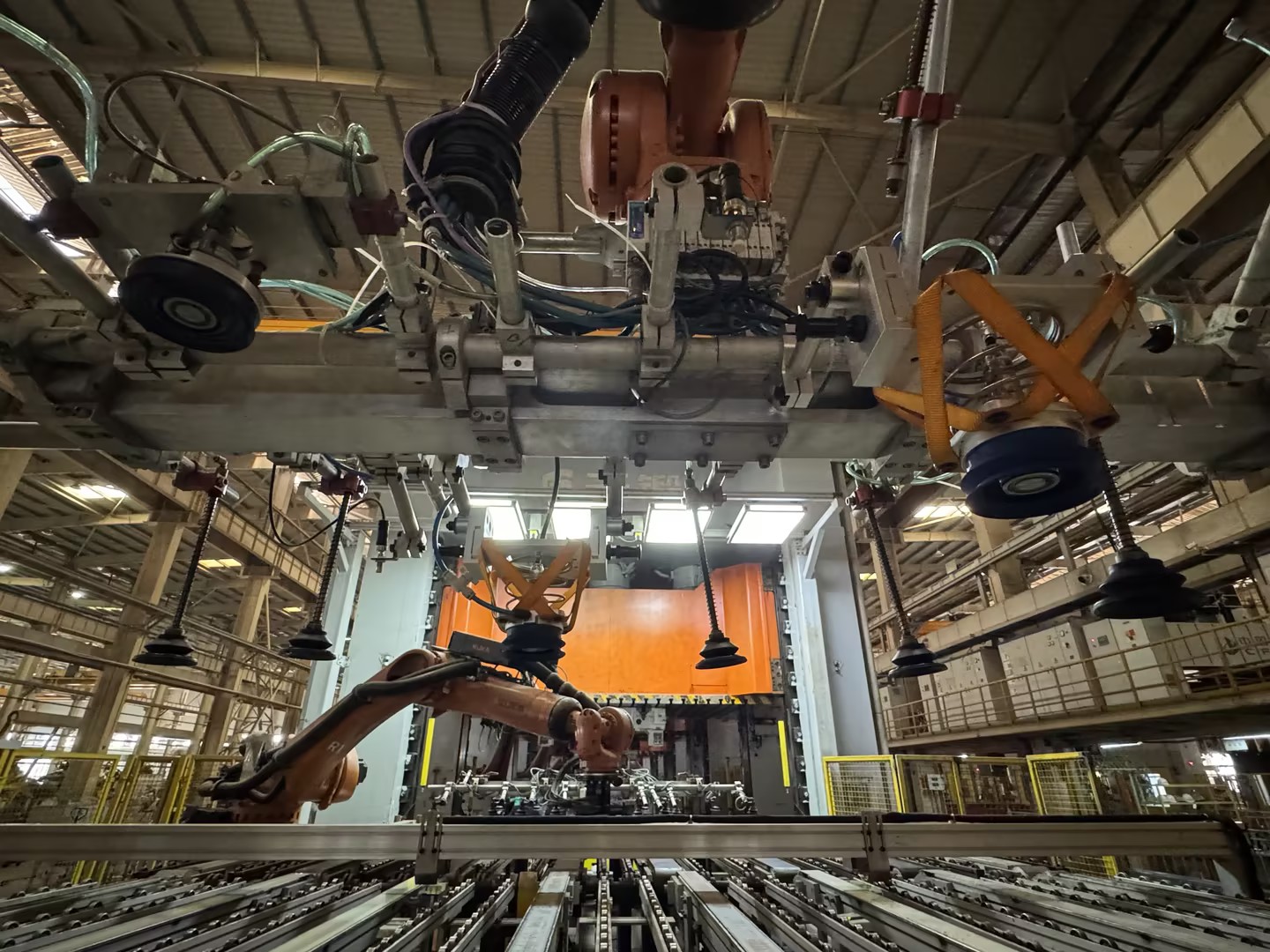
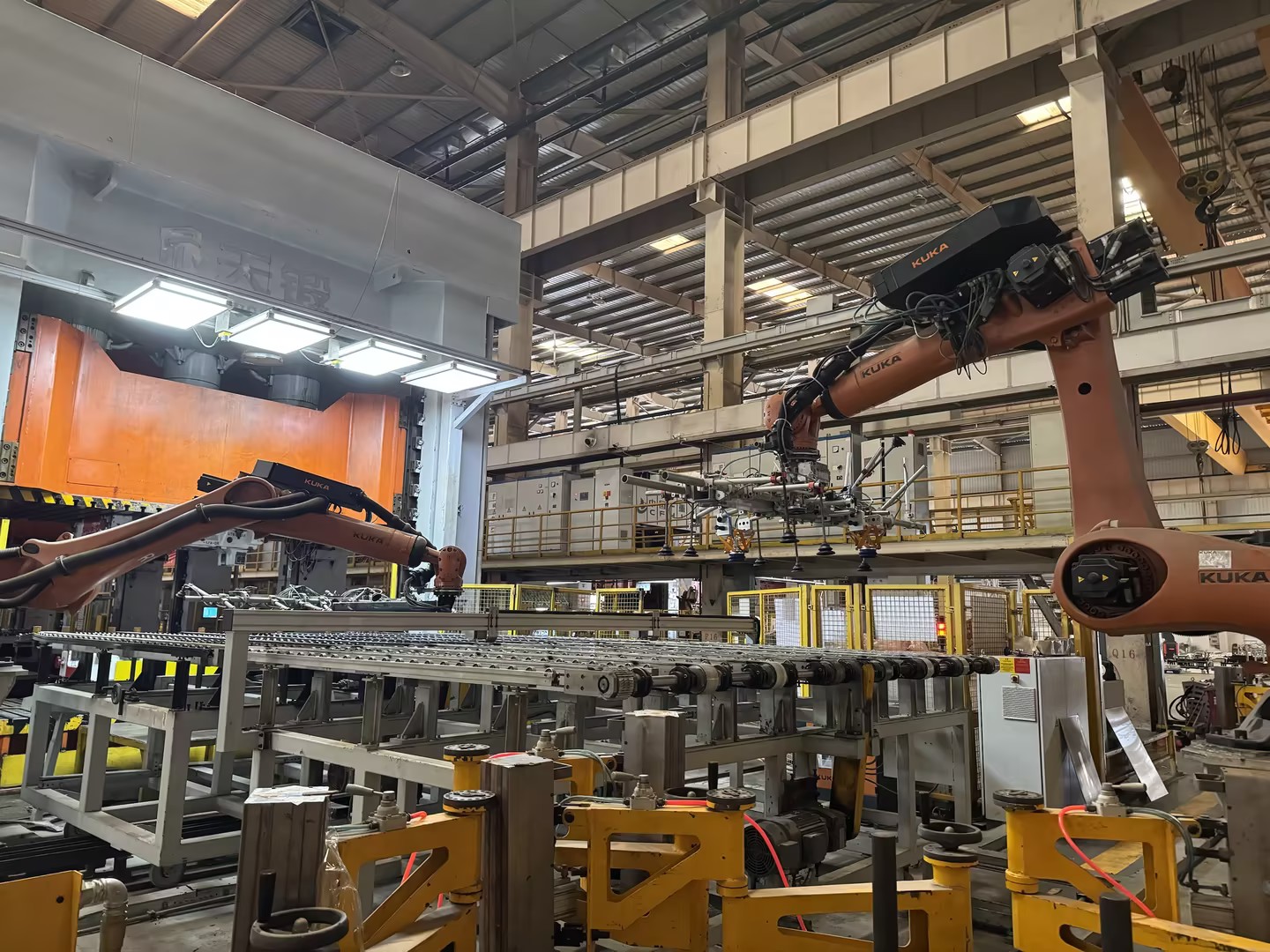
The feeding process of this stamping line is: the robotic arm grabs the sheet metal from the stack one by one → places it on the conveyor belt → the belt sends the sheet metal into the stamping process. There is a double risk in both stages.
During the process of unpacking and picking up materials, when the mechanical arm grabs, the adhesion of oil film between the sheets or residual magnetic separators may cause the simultaneous grabbing of two or more sheets. Once the stacked material enters the mold, it can result in the workpiece being scrapped and the mold being pressed, or in severe cases, the mold cracking and the press being overloaded and shut down.
Belt conveying process - even if the unpacking process passes the inspection, the sheet metal may still be stacked or offset during the belt conveying process. If there are no independent inspection points on the conveyor belt, the stacked material will be directly fed into the mold.
Previously, the production line was only equipped with detection equipment in the unpacking area, and the conveyor belt was in a "naked running" state - once the unpacking area was missed, there was no second interception of the stacked materials.
The MDSC-9000S is deployed in the unpacking area and integrated into the robotic arm end effector. Each time the robotic arm grabs the sheet metal, the detector synchronously completes the single and double sheet judgment - the detector moves with the robotic arm and completes the detection at the moment of material retrieval, without taking up additional time.
Core competencies:
Dual technology fusion of magnetic induction and eddy current, covering magnetic and non-magnetic metal sheets
The detection thickness range is 0.2~4.0mm, suitable for mainstream automotive sheet metal specifications
Built in database of over 170000 board samples, directly calling formulas for material and specification changes
Response speed up to 200 times/minute, matched with high-speed stamping rhythm
2 units1500S dual pass detectorDeploy at the same station on the belt conveyor line, with 2 pairs of sensors working side by side to synchronize detection of the sheet metal passing by.
The 1500S adopts a pass through detection method, where the sheet metal passes directly between the probes without stopping or affecting the running rhythm of the belt line. Two devices are deployed side by side at the same workstation, with two pairs of sensors covering the width direction of the conveyor belt to avoid detection blind spots caused by sheet offset.
The collaborative logic of dual defense lines
Contact type for unpacking areaMDSC-9000S Perform the first interception - the stacking material is recognized at the moment of material retrieval, and the signal is directly linked to the mechanical arm to stop grabbing, blocking the stacking material from entering the belt line from the source.
Belt line through type1500SDo the second line of defense - in case of missed inspection in the unpacking area (such as double sheets with extremely thin oil film), two pairs of sensors on the belt line will intercept and relay to ensure that the stacked material does not enter the mold.
Two level detection, two principles, mutually backup. High contact accuracy and strong anti-interference, suitable for instantaneous detection of material picking in the unpacking area; Through continuous operation and high tempo, it is suitable for detecting the movement status of conveyor belts. Each one is stuck in their most suitable position.
Depalletizing AreaMDSC-9000SReal time detection with the robotic arm for material retrieval, and the stacking is rejected during the grabbing stage
Two 1500S conveyor belts pass through detection, with two pairs of sensors synchronously calibrated to intercept stacking materials missed in the unpacking area
The dual defense line covers the complete loading chain from unpacking and material retrieval to the mold entrance. After the plan was put into operation, the detection rate of double sheets in the material link on the production line approached the full standard, and there were no more incidents of stacking materials into the mold.
Full link coverage: dual deployment of unpacking area and conveyor belt, eliminating blind spots in single point detection
Dual technology integration: magnetic induction+eddy current covering magnetic/non-magnetic metals, no need to replace equipment due to sheet material
Calibration free material replacement: 170000+sample database, directly calling existing formulas for material and specification replacement
High protection level: IP65 protection, suitable for oil and dust environments in stamping workshops
Ultra long warranty: 18 months warranty period, exceeding the industry standard of 12 months
Solution Design
Application Validation Support
Parameter Optimization Guidance
Commissioning Support