

Project Services
Solution Design
Application Validation Support
Parameter Optimization Guidance
Commissioning Support
By clicking on the button “I accept” or by further usage of this website you express consent with usage of cookies as well as you grant us the permission to collect and process personal data about your activity on this website. Such information are used to determine personalised content and display of the relevant advertisement on social networks and other websites. More information about personal data processing can be found on this link Cookie Policy.
Agree


Single Sensor
Double Sensor
Image Sensor
2026-10-20
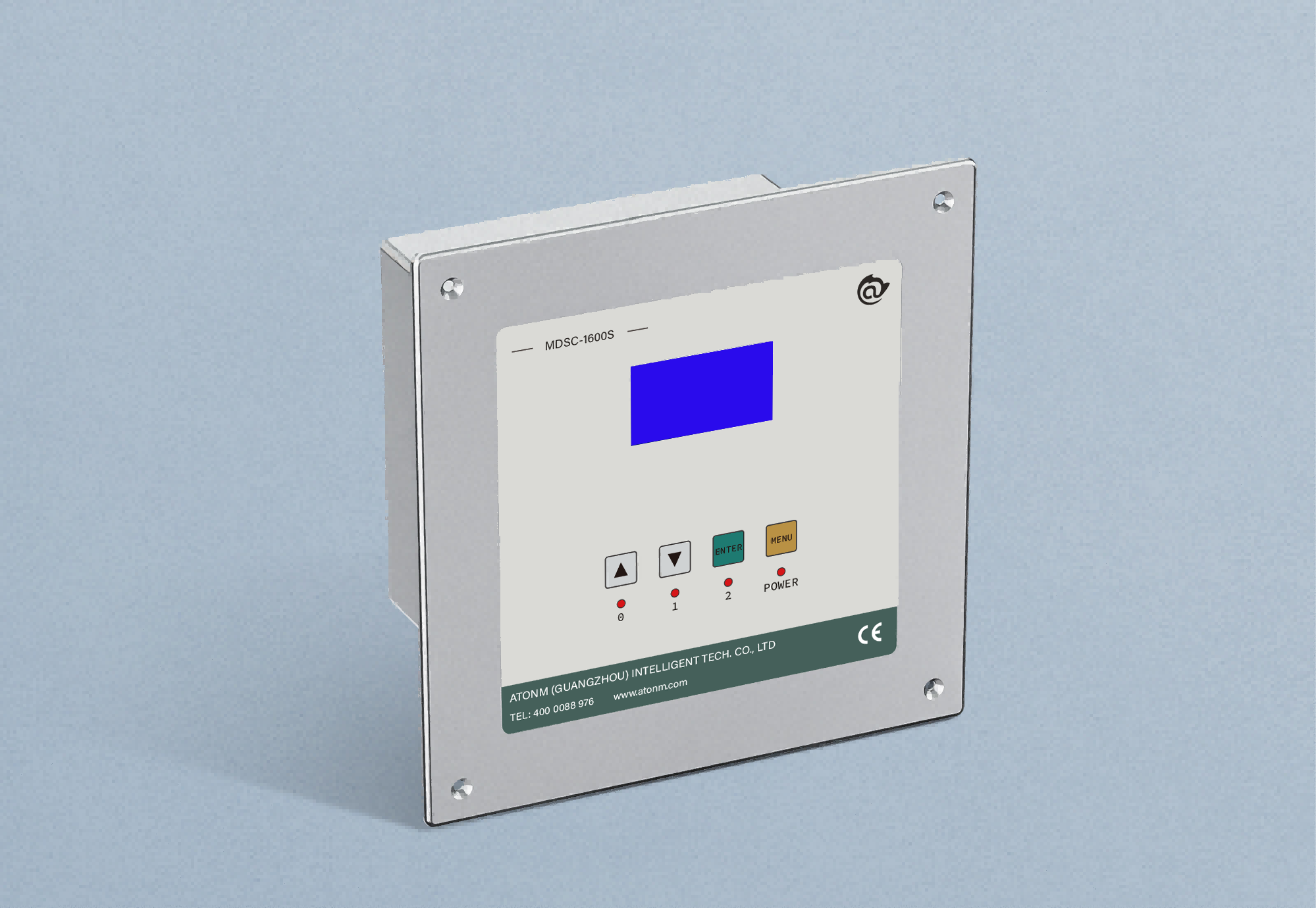
The stacking of steel plates in the automotive stamping production line is the main cause of mold damage. Once the double sheet metal is fed into the mold, the single repair loss can reach tens of thousands of yuan. The Atorm MDSC-8200S magnetic induction dual detector features a one to two dual channel design, 200 sets of material formulas, and industrial communication, suitable for multi vehicle mixed production lines with high cycle times. It intercepts dual sheets before the mechanical arm grasping process to protect the mold and reduce downtime.
Automobile stamping is the core pre process of vehicle manufacturing, and the body panels and structural components are formed by large stamping lines through molds. The rapid development of new energy vehicles has driven an increase in production line pace, an increase in vehicle models, and diversification of materials, resulting in continuous pressure on quality control in the feeding process.
During the process of automated unpacking and loading, the surface of steel plates often experiences adhesion between two or even multiple sheets due to rust proof oil, stretching oil, and electrostatic adsorption. If the double sheet material enters the mold with the robotic arm, it may result in the scrapping of the workpiece and loss of raw materials, or the collapse of the mold blade and damage to the mold cavity. The cost of a single repair can easily reach tens of thousands of yuan, accompanied by long-term downtime for troubleshooting, which affects the delivery rhythm of the production line.
The client of this cooperation is an automotive parts enterprise, supporting multiple host factories. The workshop is equipped with high-speed automated stamping lines, mainly processing cold-rolled carbon steel with a thickness coverage of 0.2-3.0mm. It is produced in a mixed line with multiple vehicle models and specifications of plates, with frequent type changes. The original method is no longer able to meet the requirements of quality control, and there is an urgent need for a professional double stack inspection plan.
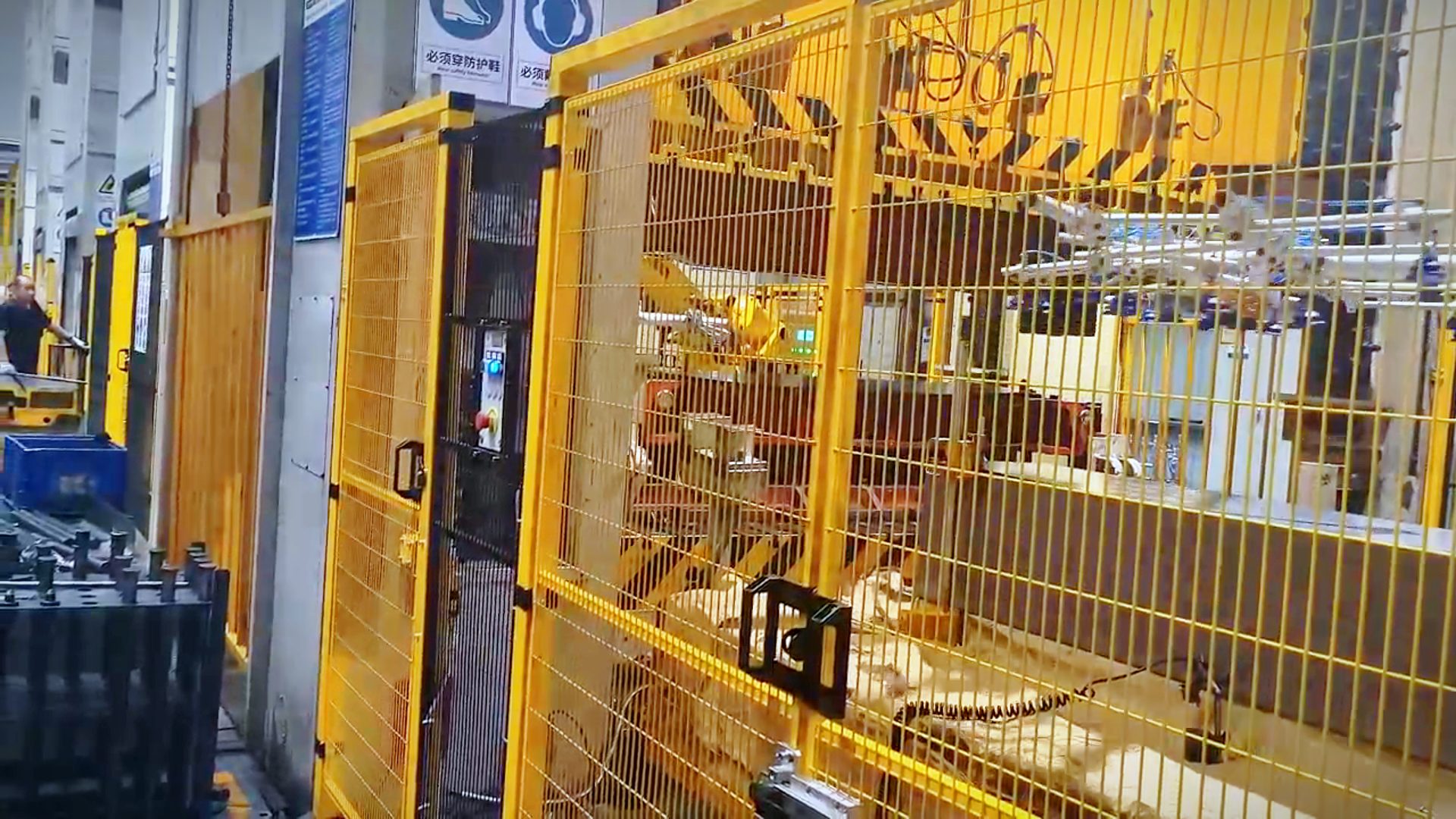
-Application scenario: Dismantling and loading station for automotive stamping production line
-Test object: Cold rolled steel plate (magnetic material)
-Board thickness: 0.2-3.0mm
-Loading method: Automated robotic arm for unpacking and stacking
-Production mode: Multi vehicle hybrid production
-Core pain point: Double stack material damage mold
After on-site research and process analysis, the customer's stamping production line's double sheet inspection mainly faces the following challenges:
| pain point | The impact it brings |
| Steel plate adhesion double sheet, high rate of missed detection by manual visual inspection | Batch scrapping of workpieces results in significant material loss |
| Double sheet material entering the mold causes damage to the mold | The cost of mold maintenance is high, and downtime affects delivery |
| Multi vehicle mixed line, frequent switching of board specifications | Every time the model is changed, it needs to be re debugged, which affects the utilization rate |
| The production line rhythm continues to increase | The detection speed cannot keep up with the pace, becoming a bottleneck in production capacity |
| Workshop oil pollution and complex vibration environment | Ordinary sensors have a high false alarm rate and poor stability |
For the on-site working conditions and core pain points, the Atorm technical team recommends the MDSC-8200S metal dual detector. The equipment adopts the principle of magnetic induction detection and is specially adapted to magnetic metal plates. The detection range is 0.2-4.0mm, fully covering the customer's steel plate requirements of 0.2-3.0mm.
Deploy a one to two solution at the unpacking and loading station: one host is connected to two single probes, which are installed on the end pickups of the robotic arm to complete detection synchronously with the grasping action. The detection signal is directly connected to the production line PLC to achieve dual interlocking control.
1. Mechanical arm grabbing material: Suction cups grab steel plates from the material stack;
2. Probe synchronous detection: Two single probes simultaneously collect magnetic induction signals;
3. Signal determination: Real time analysis of single/double sheets by the host;
4. Interlocking control: Single output OK, normal feeding; Double alarm, triggering shutdown and sorting to NG area.
The entire set of testing is synchronized with the gripping action of the robotic arm, without taking up additional production line cycle time, ensuring the production efficiency of the high-speed stamping line.
| Detection Principle | Magnetic induction (specialized for magnetic conductive metals) |
| Testing Scope | 0.2-4.0mm magnetic sheet |
| Maximum response speed | 200 pcs/min |
| Formula capacity | Built in 200 sets of material formulas |
| Channel configuration | One to two, 2 single probe independent detection |
| communication interface | Profinet、RS485 Modbus |
| Operating voltage | 24V DC |
| Protection level | Front panel IP65/rear shell IP20 |
| host size | 132 × 116 × 48 mm |
| warranty period | 18 months |
① Wide thickness compatibility, stable and reliable detection. Magnetic induction technology is optimized for magnetic conductive metal plates, with a detection range of 0.2-4.0mm, fully meeting the customer's requirements for 0.2-3.0mm cold-rolled steel plates. It can stably identify from thin to thick plates.
② High speed response, not occupying the production line rhythm. Maximum response speed of 200 pieces per minute, synchronized with the gripping action of the robotic arm, without taking up additional production time; Even if the pace continues to increase in the future, there is still sufficient margin in the detection process.
③ 200 sets of formulas, flexible and efficient production switching. Pre store detection parameters for different thicknesses and materials, and call the corresponding formula when changing between multiple vehicle models, without the need for repeated calibration; Supports local panel operation and can also be remotely switched by PLC via Profinet/RS485.
④ Strong anti-interference ability and stable operation under harsh working conditions. The exclusive filtering algorithm effectively suppresses interference such as motor magnetic field, mechanical vibration, and oil pollution, with a low false alarm rate; The front panel is IP65 protected and suitable for workshop environments with high levels of oil and dust.
⑤ One to two design, reducing costs and increasing efficiency. One host supports two single probe synchronous independent detection: it can be used for dual point redundant detection of large sheet metal, reducing the probability of local missed detection, or for separate detection of two workstations, saving the cost of one set of hosts.
After the deployment and stable operation of the plan, the dual material control level of the customer's stamping production line has significantly improved:
1. The accuracy of dual image detection is close to full scale;
2. The mold damage rate has decreased by over 90%;
32000 sets of formulas can be easily changed with just one click, making it more convenient to switch between multiple vehicle models;
4. Detect synchronous grasping actions, with the beat time approaching zero.
From actual operational data, MDSC-8200S effectively intercepted the double sheet stacking caused by steel plate adhesion, significantly reducing downtime caused by the double sheet problem and improving the overall utilization rate of the production line.
The successful application of Atorm MDSC-8200S in the automotive stamping production line has verified the stability and reliability of magnetic induction double sheet detection technology in steel plate feeding scenarios. For typical working conditions such as 0.2-3.0mm cold-rolled steel plates, multi vehicle hybrid lines, and high cycle stamping, the solution embodies four aspects of value:
1. Protection value: Intercept double stack materials from the source, protect high-value stamping molds, reduce maintenance costs and downtime risks;
2. Efficiency value: detects synchronous grasping actions, does not occupy the beat, quickly changes 200 sets of formulas, and adapts to flexible production;
3. Quality value: Stable detection accuracy reduces scrapped workpieces and improves the qualification rate of finished products;
4. Cost value: One to two dual channel design, balancing detection reliability and project investment.
With the continuous development of the new energy vehicle industry, the trend of high-speed and flexible stamping production lines will further accelerate. As a key link in stamping quality control, the importance of double sheet inspection is becoming increasingly prominent. Atorm will continue to deepen its expertise in the field of industrial detection sensors, providing more stable, efficient, and intelligent dual sheet detection solutions for the automotive stamping industry.
Does your stamping production line also face the challenge of double sheet steel plate stacking inspection?
Atorm provides free solution consultation, on-site technical support, and trial machine verification
Solution Design
Application Validation Support
Parameter Optimization Guidance
Commissioning Support